BABCOCK, THE FACTORY
OF CULTURES
LA COURNEUVE
FRANCE, 2017
HERITAGE
PR–552
The factory of cultures is not “a” place of culture, but a place of cultures, unique in Greater Paris for its networking mechanisms and evolving spaces.
GALLERY
003


PROGRAM
A multifunctional cultural facility including a center dedicated to visual arts, an event hall, an art training school (Grand Paris Schola), exhibition galleries, and indoor and outdoor sports facilities. The project also incorporates a business incubator and coworking spaces, an agricultural greenhouse, shops and restaurants, as well as artist residences.
DETAIL
Situation
Friche Babcock, La Courneuve, France
Year
2017
Status
International competition, winning project, no follow-up
Site area
38 000 m²
Built surface
51 564 m²
Client
Compagnie de Phalsbourg (mandataire) et Emergie (co-investisseur), Paris
Architect
Dominique Perrault Architecte
Landscape architect
Après la Pluie
Engineering office
EPDC, Earnest, Sinteo, Yes We Camp
DESCRIPTION
Located in La Courneuve, the Fabrique des Cultures draws inspiration from industrial history and Babcock’s architectural volumes. It offers shared spaces capable of reconfiguring traditional typologies: cultural and sporting, office, educational, residential, or commercial. The entire brownfield site is conceived as a deployment of interdependent uses, ensuring coherence and versatility.
READ MORE
The project enhances the existing factory structures by highlighting their raw materiality. The architectural principle is based on the “box-within-a-box” concept, where smaller structures inhabit the vast industrial volumes. This strategy allows for the creation of efficient spaces while preserving the unheated main halls.
The north and east facades of the former industrial site are completely renovated, with the addition of strategically placed openings to generate transparency and visual dialogue with the public space. The main entrance is marked by a stainless steel roof that overhangs the existing structures without touching them, asserting the project’s presence within the urban fabric. Seventeen meters wide and bathed in natural light, the Babcock Passage runs through all the halls and connects the site’s various activities. A true backbone of the project, this covered interior street creates a central space, a “common reservoir” where cultural, sporting, and commercial programming can converge and interact. The passageway transforms the site experience: it offers a new way to explore the brownfield, discovering its volumes and secrets. It also affirms its urban dimension by reconnecting the brownfield to its surroundings, notably via the Sainte-Foix passageway, the Rue Émile-Zola, and the RER commuter rail line, thus contributing to improved pedestrian and cycling connections and smoother traffic flow.
RELATED PROJECTS
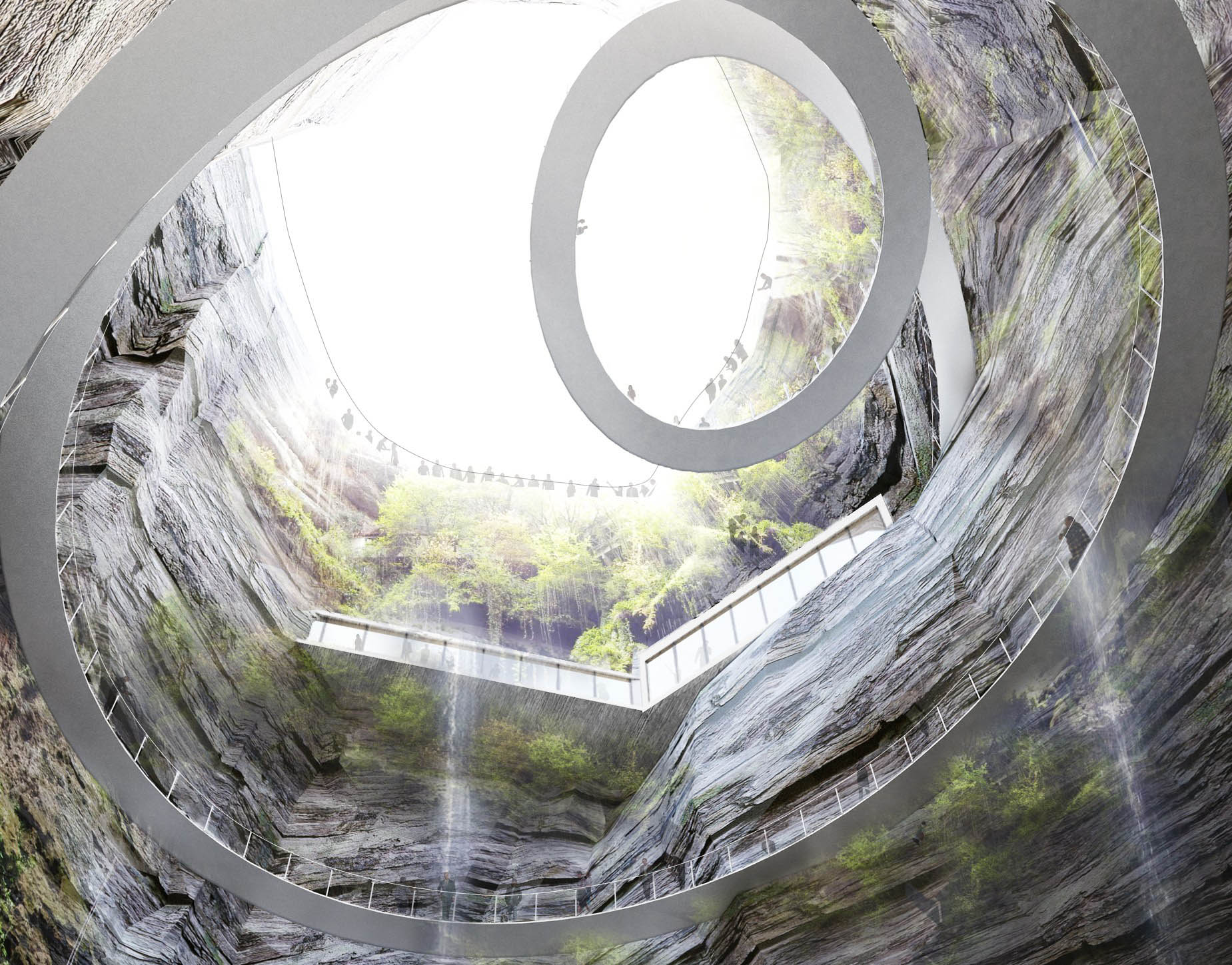
PADIRAC CHASM
PR–523
Heritage
Padriac
CONSERVATION OF THE DOMAINE DE FRAPOTEL – PRESENTATION, HERITAGE, LEGACY
RE-004
Research
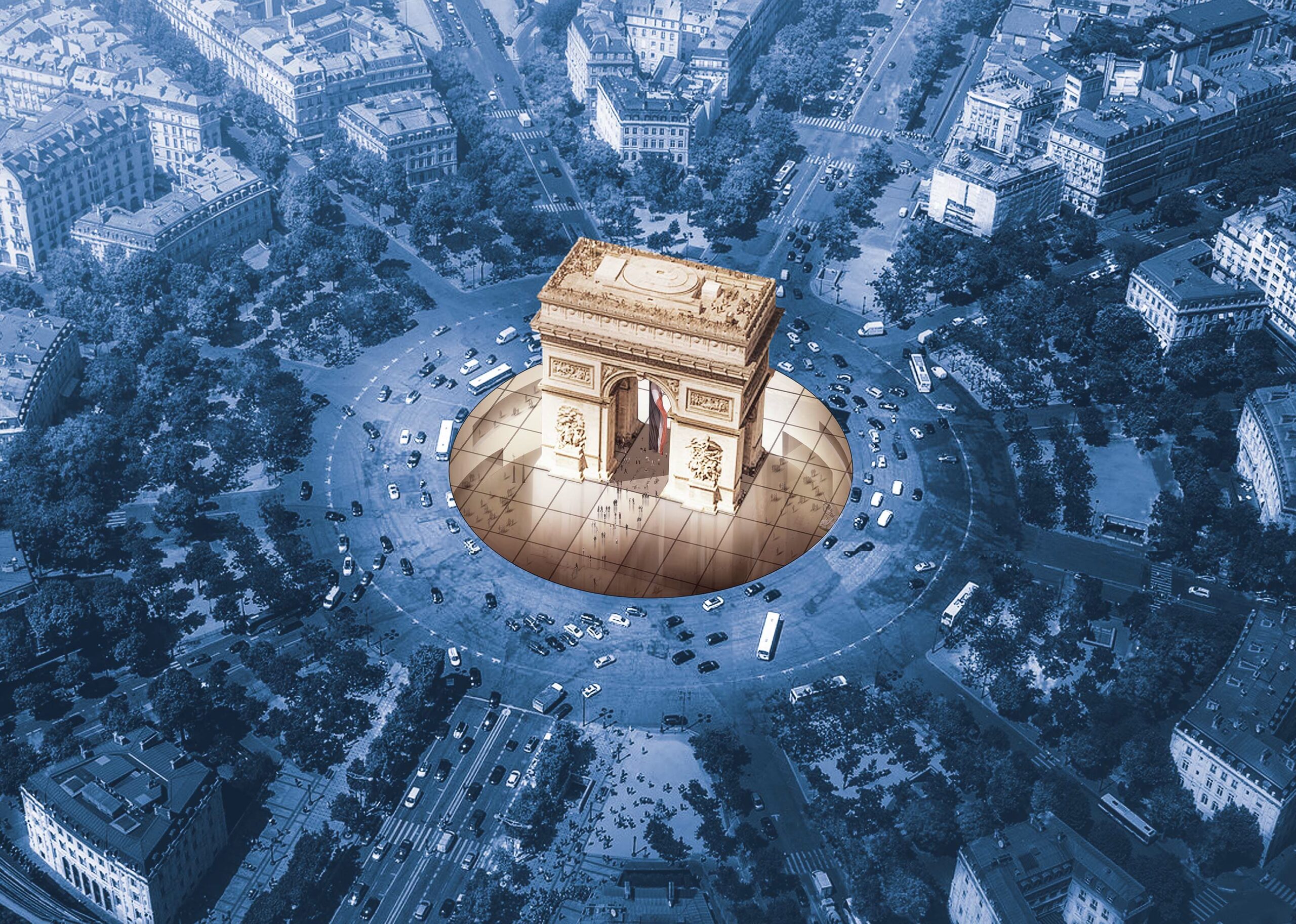
GROUNDSCAPES DESIGN LAB – RETHINKING CITIES UNDERGROUND
RE-002
Research
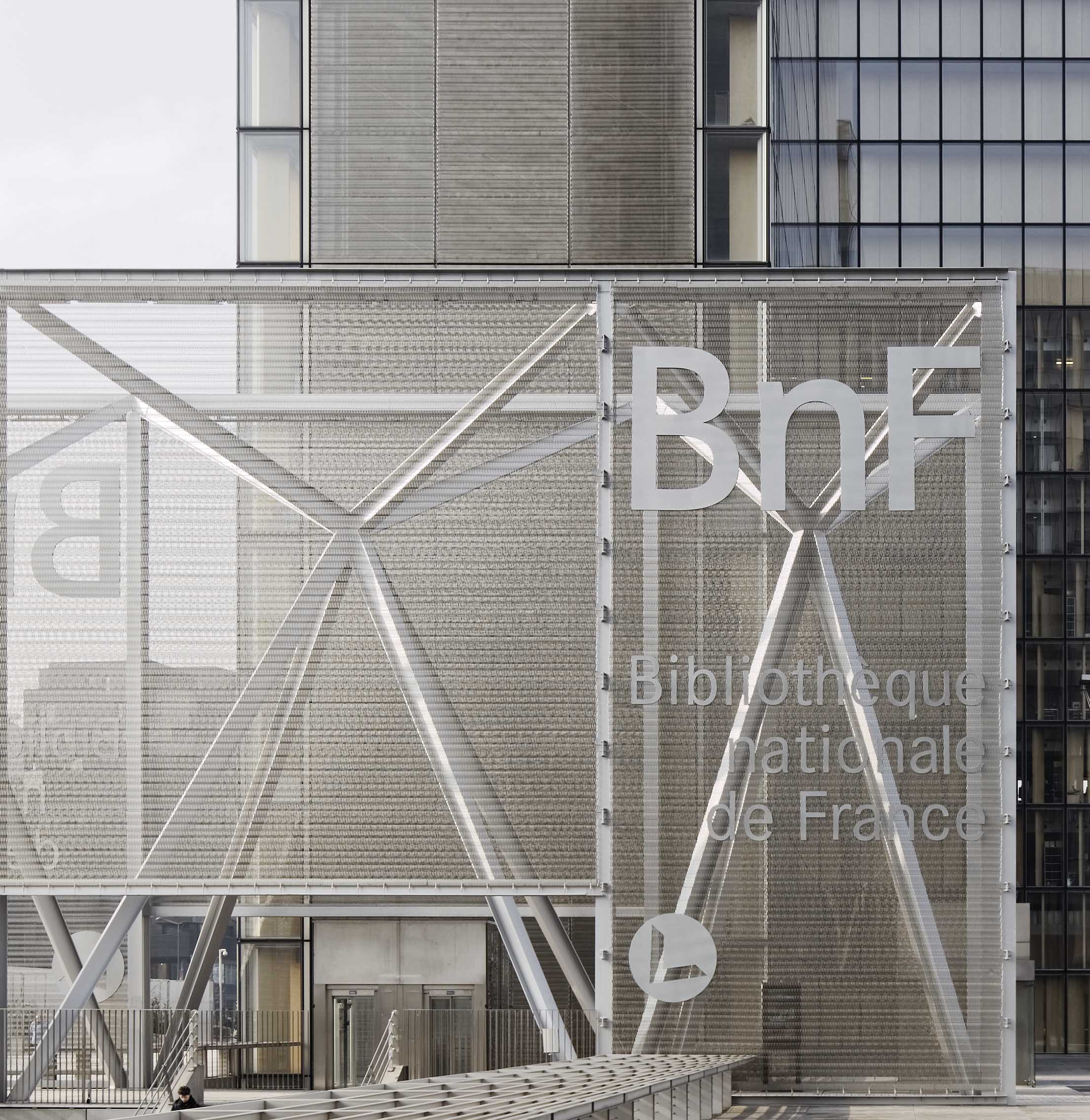
NEW ENTRANCE OF THE NATIONAL LIBRARY OF FRANCE
PR–467
Heritage
Paris
RAMIER VILLA
PR–542
Heritage
Toulouse
GRANDES ÉCURIES
PR–546
Heritage
Chantilly
MISSION ÎLE DE LA CITÉ PARIS – ORIENTATION TOWARDS 2040
RE-004
Research
Paris
SAIGE DISTRICT — DISTRICTS OF TOMORROW
PR–673
Heritage
Pessac