GROUNDSCAPES
DESIGN LAB
RETHINKING CITIES
UNDERGROUND
RESEARCH
RE-002
Beneath the ground line hides a universe of possibilities, new places, existing or to be created. The Groundscape is the last space to conquer for our cities, offering a powerful catalyst of urban networks, a naturally ideal thermal inertia, respect for the landscape, enhancement of heritage and a unique palette of lights.

Image Caption / Credits

By playing with the reliefs, hollows, breakthroughs or overhangs, the Groundscape offers different typologies, each expressing a particular relationship to the ground, to light, movement and perception. These figures of the Groundscape are not simple formal games: they raise a fundamental question about how we inhabit the thickness of the world. Reconciling space and matter, the typologies of the Groundscape invite us to rethink our relationship with the ground, no longer as a sole support but as living, sculptable, habitable matter. The different typologies offer a spatial grammar to work on the relationship between humans and earth, between architecture and landscape.
“For architects, the ground has always constituted a limit, a threshold between heaven and earth, between the aerial and the underground, architecture being defined in visibility, that of its forms, that of its facades. This dividing line, this cultural refusal of the subsoil, will often have left the underworld in the hands of engineering alone, which has forged, over the course of industrial revolutions, a chaotic mix of networks, the obscure reverse of our cities.

GALLERY
027

001

002

003

004

005

006

007

008

009

010

011

012

013

014

015

016

017

018

019
020

021

022

023

024

025

026

027
VIDEOS
006
001 Teaser – Groundscape Manifest
002 Groundscape Manifest – Underground Stories
003 Conquest – The Monument
004 Conquest – The Artificial Ground
005 Legacy – The Instrument
006 Legacy – The heritage
DETAIL
Situation
France
Year
Since 1980
Status
Research, groundscape
Research implementation
Dominique Perrault
Research interior architect and design
Gaëlle Lauriot-Prévost
DESCRIPTION
From the studies conducted for the construction of the National Library of France in 1989, DPA initiated a specific research on the link between architecture and soil, named «Groundscape». This approach explores the long-neglected dimension of urban planning: the underside of our cities.
READ MORE
The book “Groundscapes, autres topographies”, published by Dilecta editions in 2015 and resulting from exchanges with Frédéric Migayrou, refocuses research around the Groundscape and presents the emblematic achievements of the agency related to soil (National Library of France – Paris, Ewha University – Seoul, Olympic Stadium and Velodrome – Berlin…). Divided into eight chapters, it explores the different issues raised by the Groundscape (from fiction as a method of creation to questions of ecology, engineering, urbanism and geography) and proposes, through a rich iconography, a reflection on the contours of a new urbanity, a universe of possibilities, of new or existing places, to imagine or create.
RELATED PROJECTS

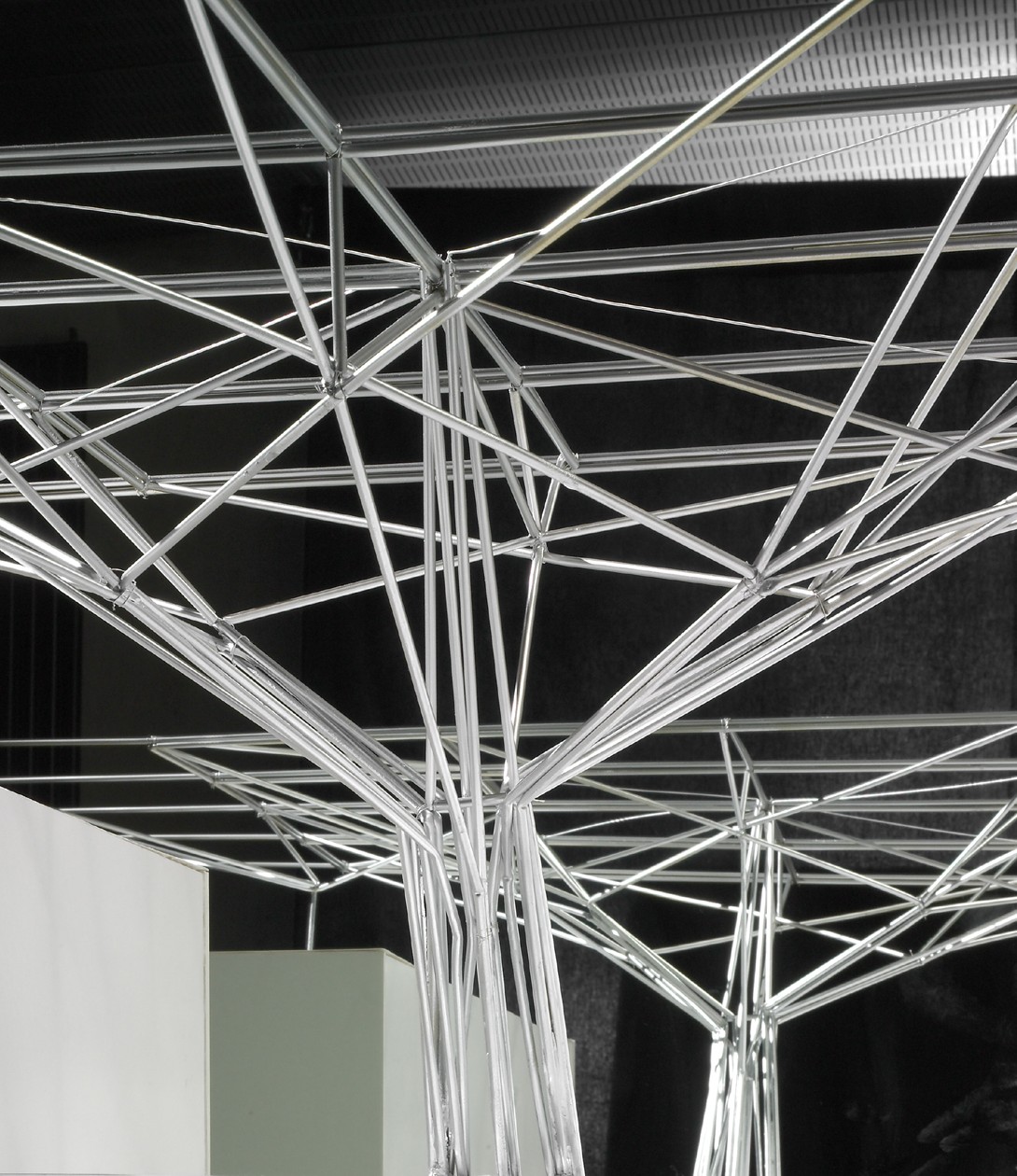
GARE VILLEJUIF – GUSTAVE ROUSSY
PR-655
Transport
Villejuif
PIAZZA GARIBALDI
PR–573
Masterplan
Naples
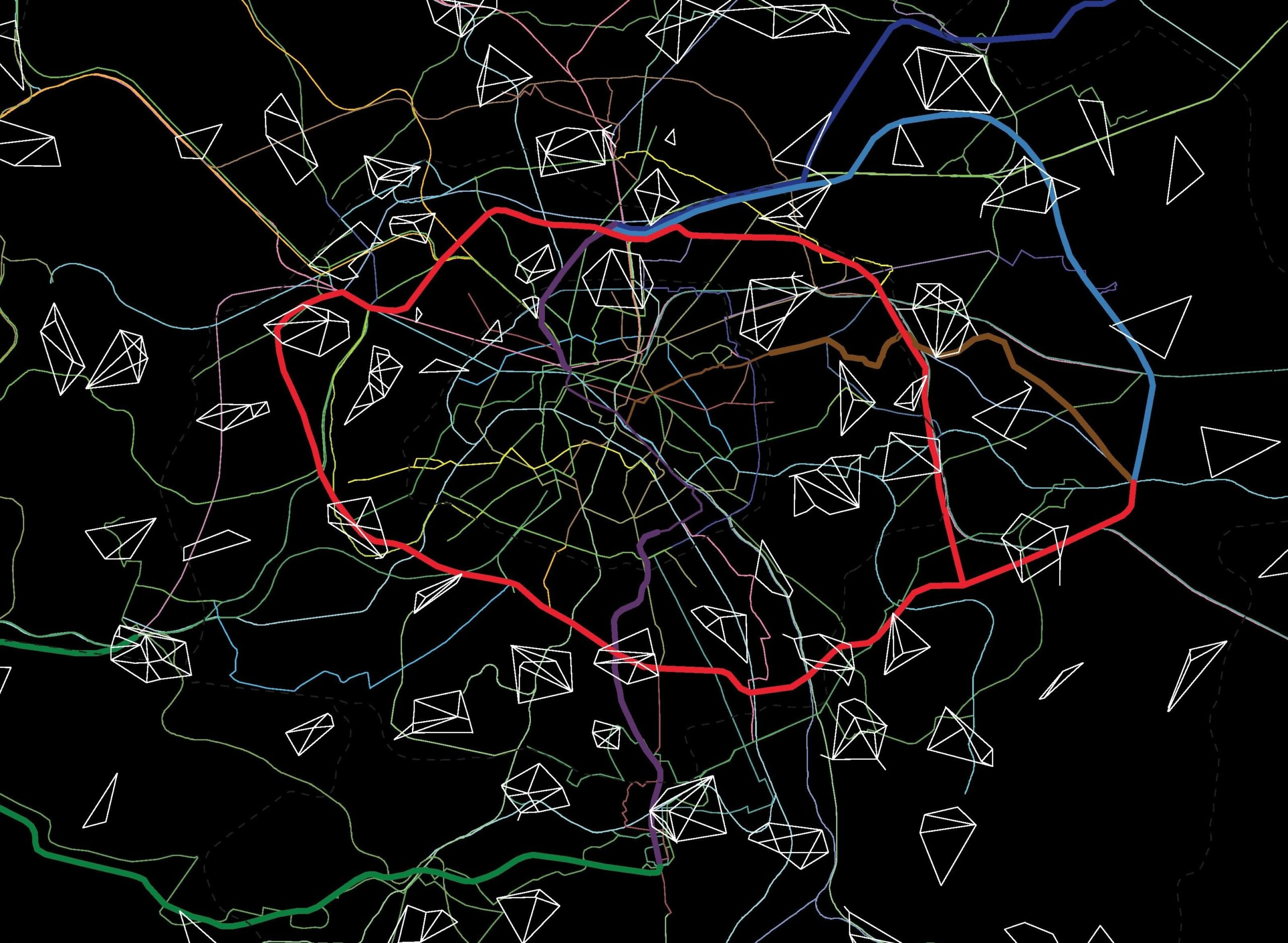
HOTEL METROPOLE STRATEGY – LIVING IN THE GRAND PARIS
RE-003
Research
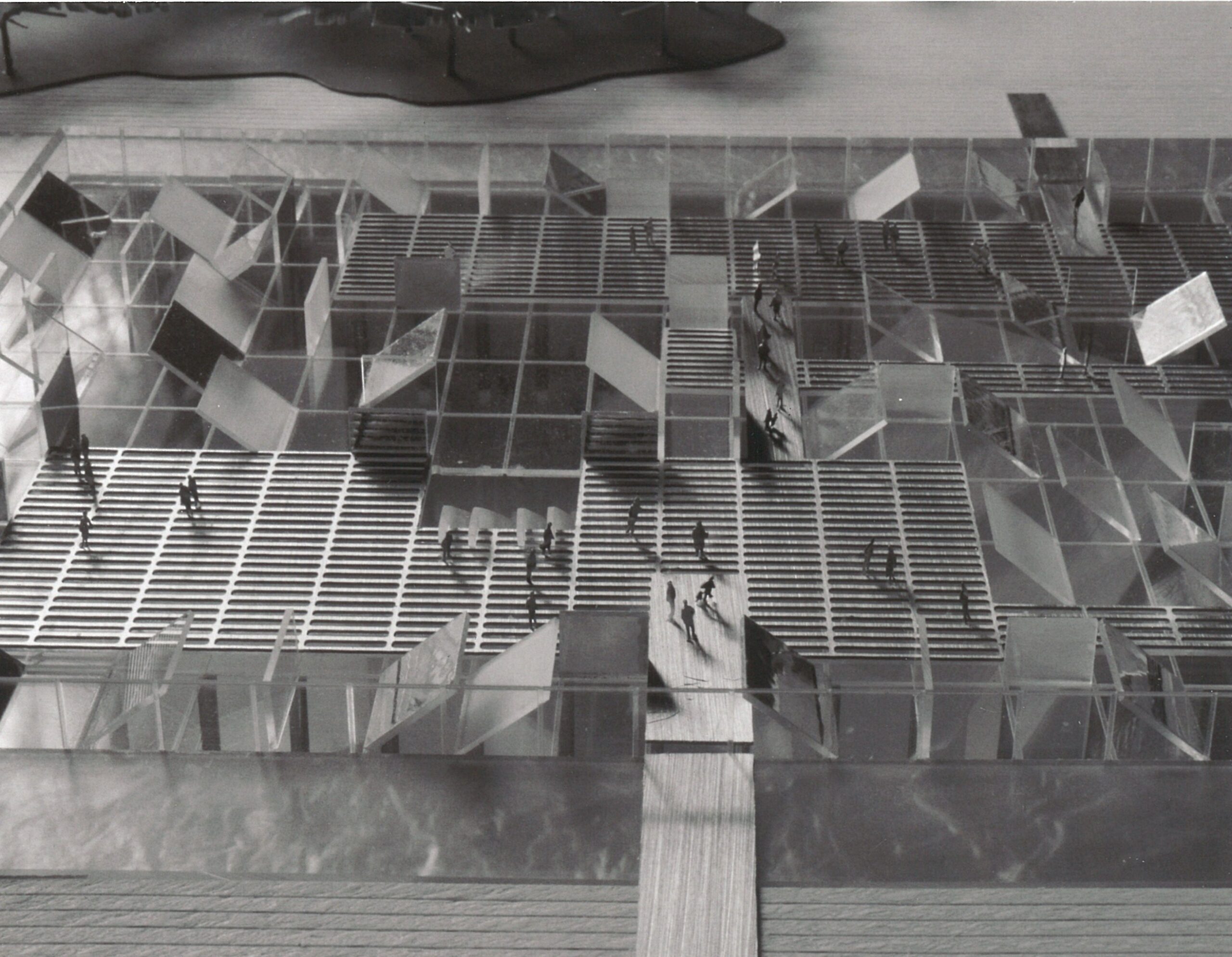
KANSAI-KAN LIBRARY
PR-099
Culture
Kyoto
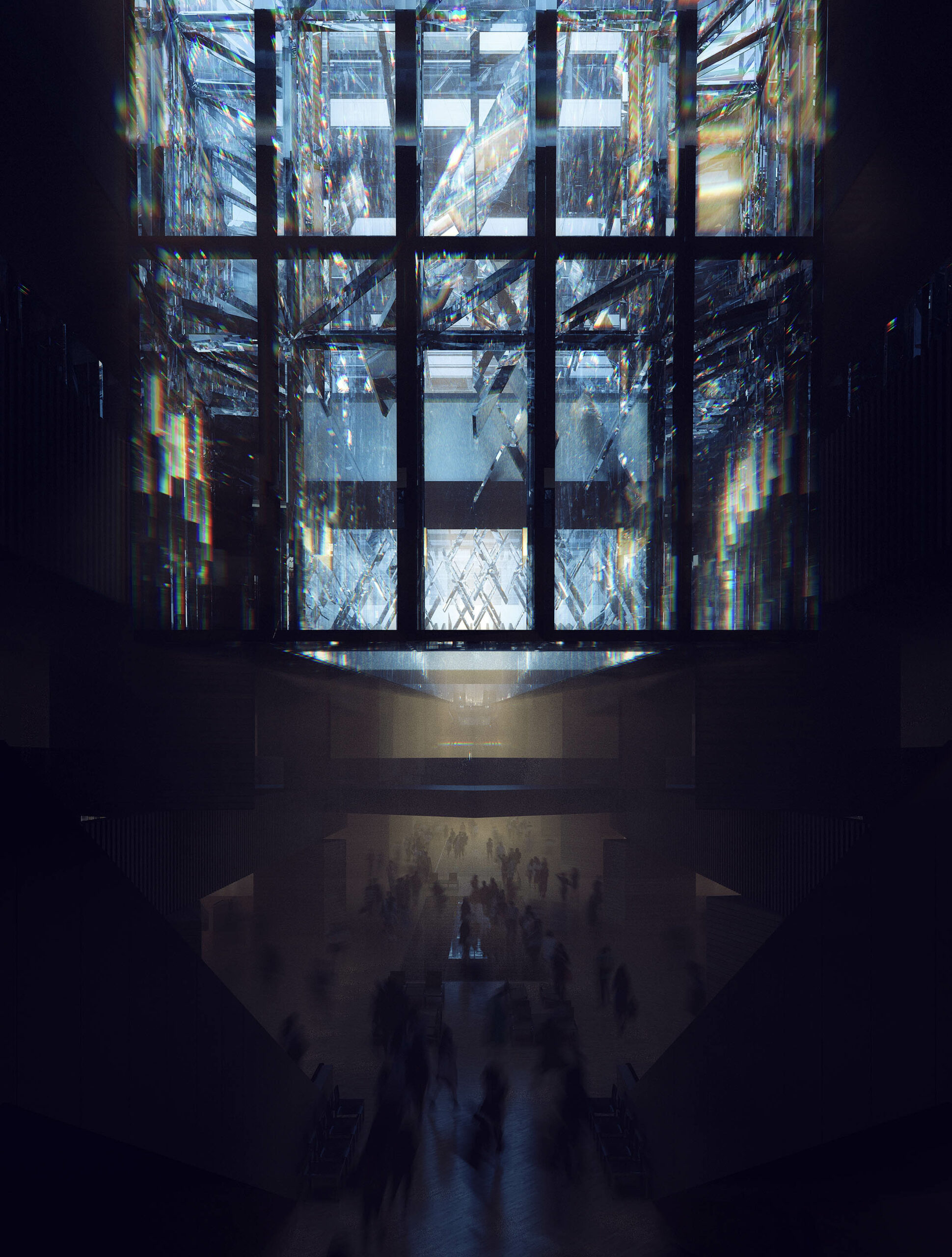
LIGHTWALK – GANGNAM INTERNATIONAL TRANSIT CENTER
PR-669
Masterplan
Seoul
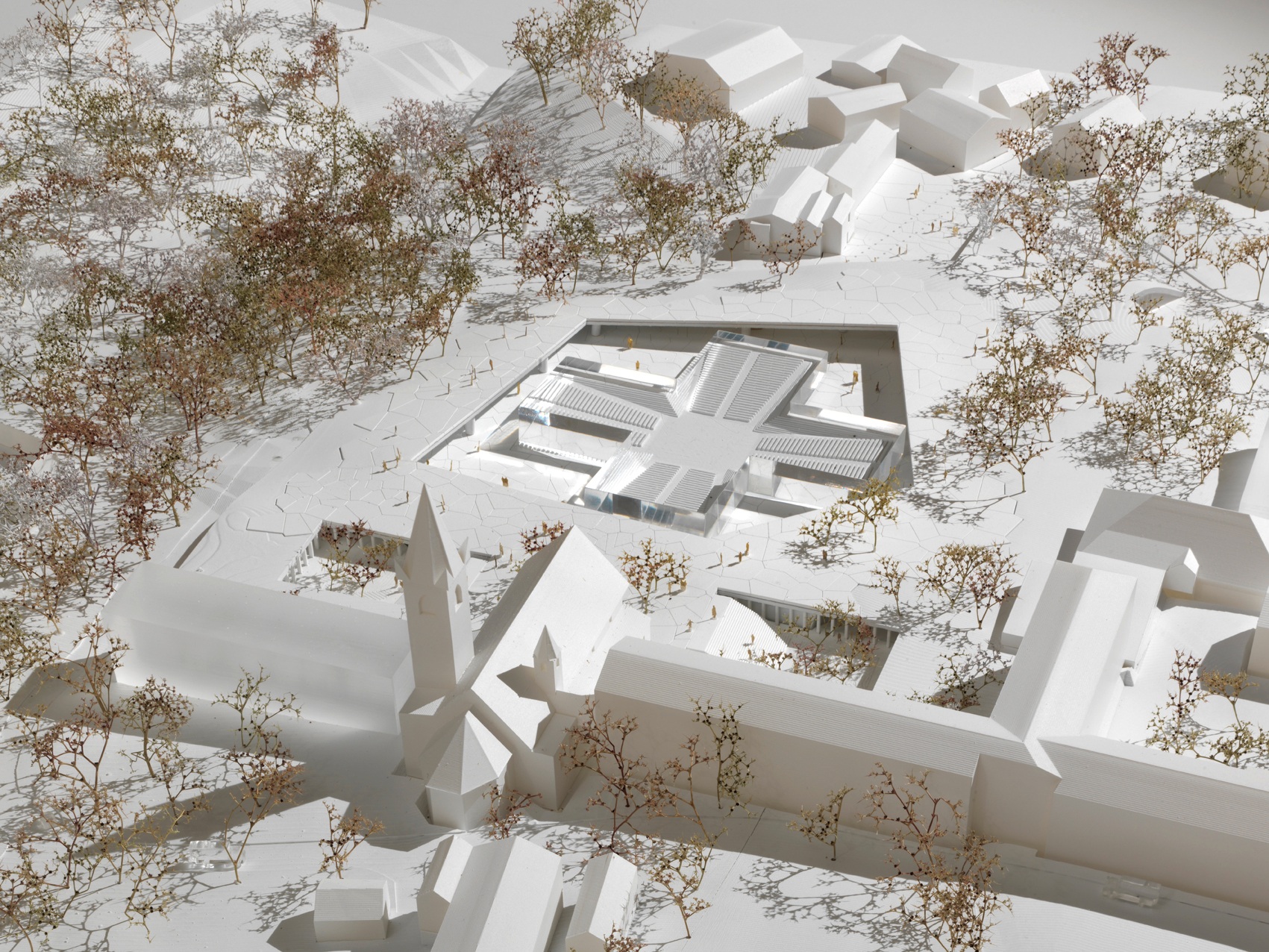
NOTRE-DAME-DU-LAUS SANCTUARY
PR-443
Culture
Gap
CARPARK FUTURES, OPPORTUNITIES IN THE UNDERGROUND
RE-008
Recherche
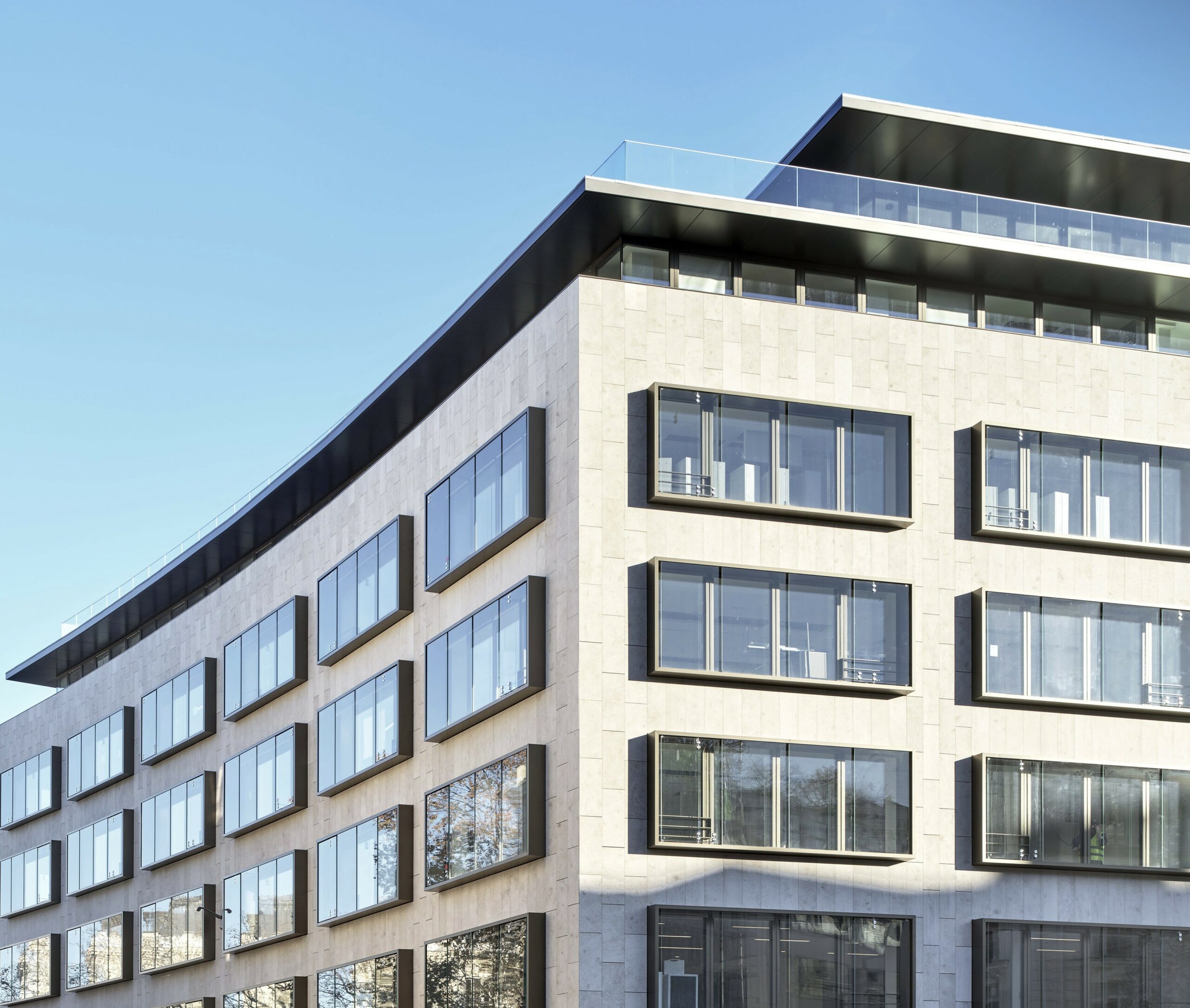
83 MARCEAU
PR 000
Work place
Paris
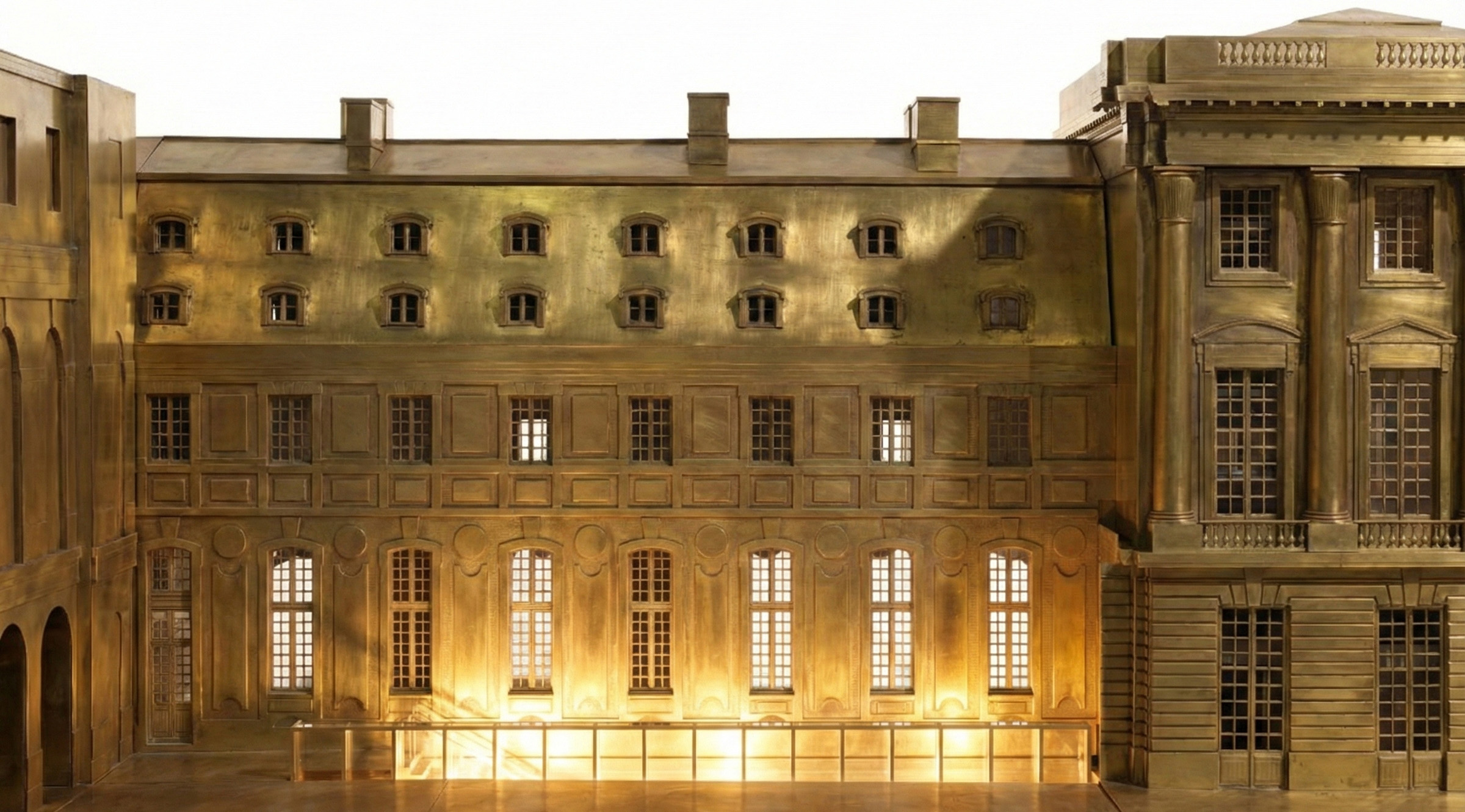
DUFOUR PAVILLION
PR-517
Culture
Versailles
USINOR-SACILOR CONFERENCE CENTER
PR–058
Groundscape
Saint-Germain-en-Laye
CONSERVATION OF THE DOMAINE DE FRAPOTEL – PRESENTATION, HERITAGE, LEGACY
RE-004
Research
MISSION ÎLE DE LA CITÉ PARIS – ORIENTATION TOWARDS 2040
RE-004
Research
Paris
PARIS 2024 OLYMPICS AND PARALYMPICS GAMES – ATHLETES VILLAGE MANUAL OF URBAN DESIGN
RE-006
Research
Saint-Denis
CULTURAL COMPLEX LAUSANNE
PR 505
Culture
Lausanne
CROSSROADS BUILDING THE RESILIENT CITY, SEOUL BIENNALE OF ARCHITECTURE AND URBANISM (SBAU 2021)
RE-007
Recherche
Seoul
MESH / WEAVE THE METAL – FROM INDUSTRY TO ARCHITECTURE
RE-001
Research

