NATURAL HISTORY
MUSEUM
SHENZHEN
CHINA, 2020
CULTURE
PR–597
The natural world is full of endless wonders. DPA’s proposal for the Shenzhen Museum of Natural History uses a living landscape to extend the museum’s collection outdoors into striking, immersive “environments.”
GALLERY
047


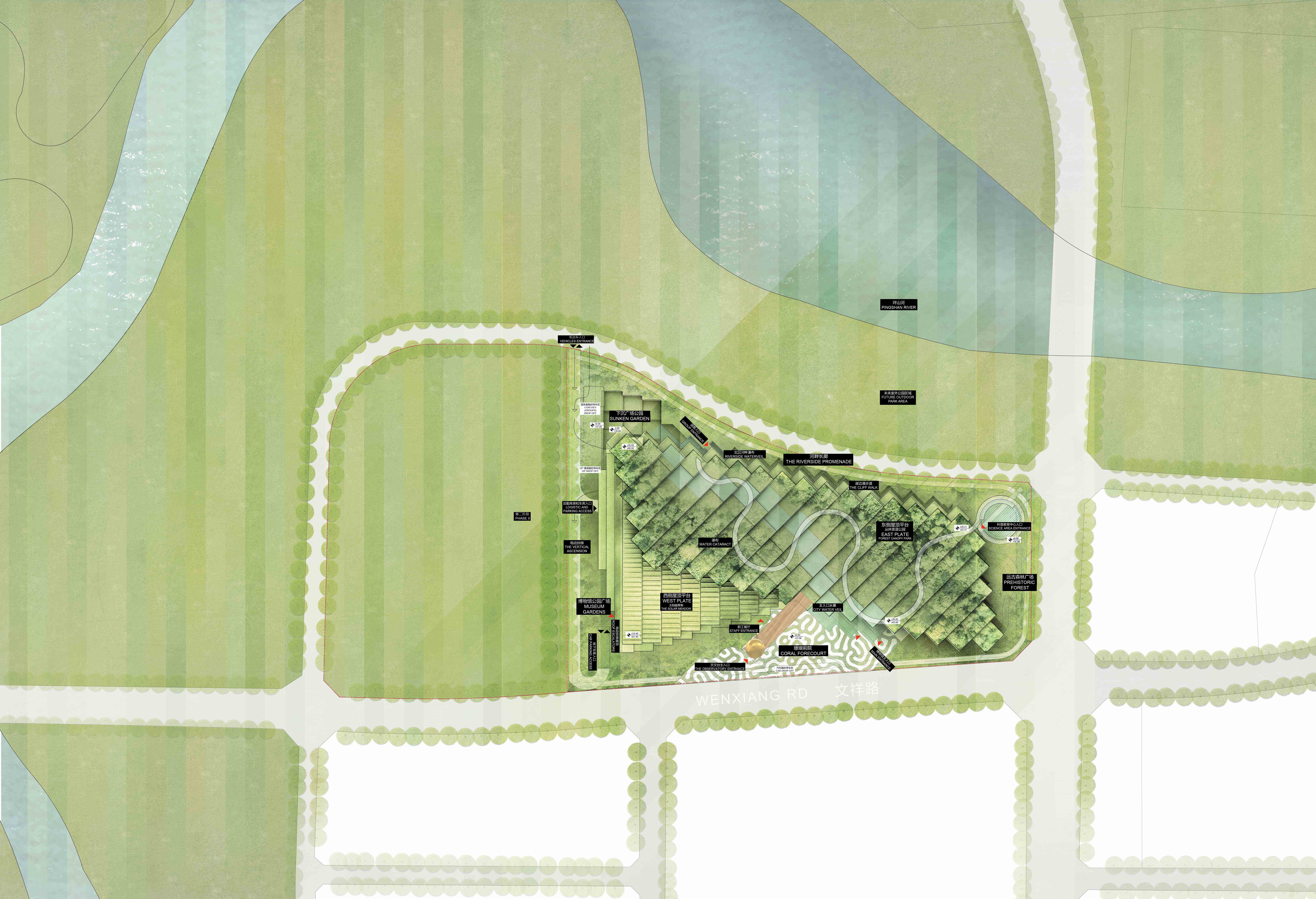


PROGRAM
Permanent and temporary exhibition spaces / Storage and conservation areas / Lobby / Children’s science education areas / Cafeteria / Academic research areas / Administrative offices / Astronomical observatory.
DETAIL
Situation
Yangzi Lake area, south of Yangzi Hill and the Pingshan River, north of Longxiang School
Year
2020
Status
Invitation-only international competition
Site area
42 000 m²
Built-up area
102 900 m²
Project management
Engineering Design Management Center of Bureau of Public Works of Shenzhen Municipality
Co-organizer
Shenzhen Position Spatial Culture Development Co., Ltd.
Project implementation
Dominique Perrault, architect, urbanist
Local architect
SZAD, Shenzhen
Interior architect and designer
Gaëlle Lauriot-Prévost
Landscape architect
PWP, Berkeley
Design offices
Buro Happold, Jean-Paul Lamoureux
DESCRIPTION
Each landscape evokes the colors, patterns, and processes found in nature. While traditional natural history museums around the world were historically built as neoclassical or Beaux-Arts “static containers” for collections, modern museums have begun to vary significantly in their architectural expression, and their spaces have become more flexible, more diverse, and even more “alive .”
READ MORE
Museums of the future have the potential to further stimulate our imagination and enrich our education by creating dynamic, sustainable “living environments” that extend both inside and outside the museum. The landscape of the Shenzhen Natural History Museum will be integrated into the architecture and organized into distinct, memorable environments.
Taking the form of an artificial hill that houses the museum’s collection, the building does not aim to create a simulation of nature. Rather, its goal is to better integrate nature into the architecture and to demonstrate that there can be a harmonious relationship between the natural landscape and the human footprint. This building aims to bring nature into the city, dissolving the separation between the built environment and the natural environment. As such, it stands as a powerful symbol for a society that actively advocates for science and the protection of the planet. The Shenzhen Natural History Museum thus foreshadows the future of architecture: an architecture in which nature is a central component and no longer merely a decorative element; an architecture that serves all living species.
RELATED PROJECTS
CCTV BEIJING
PR-211
Workplace
Beijing
SEOUL OPERA
PR 313
Culture
Seoul
CENTRE POMPIDOU-METZ
PR 231
Culture
Metz
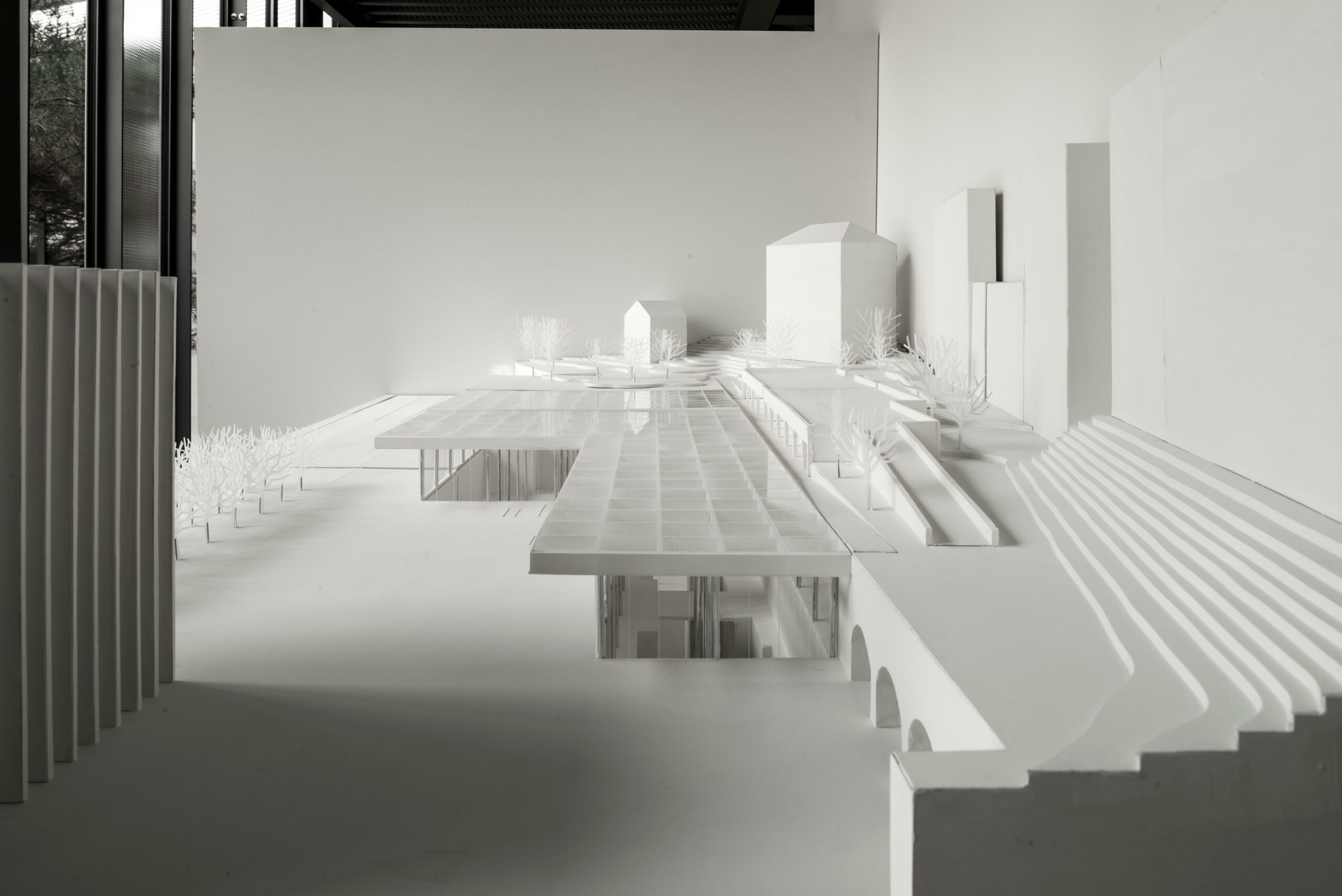
CULTURAL COMPLEX LAUSANNE
PR 505
Culture
Lausanne

MUSEUM OF MODERN ART (MoMA)
PR-113
Culture
New York
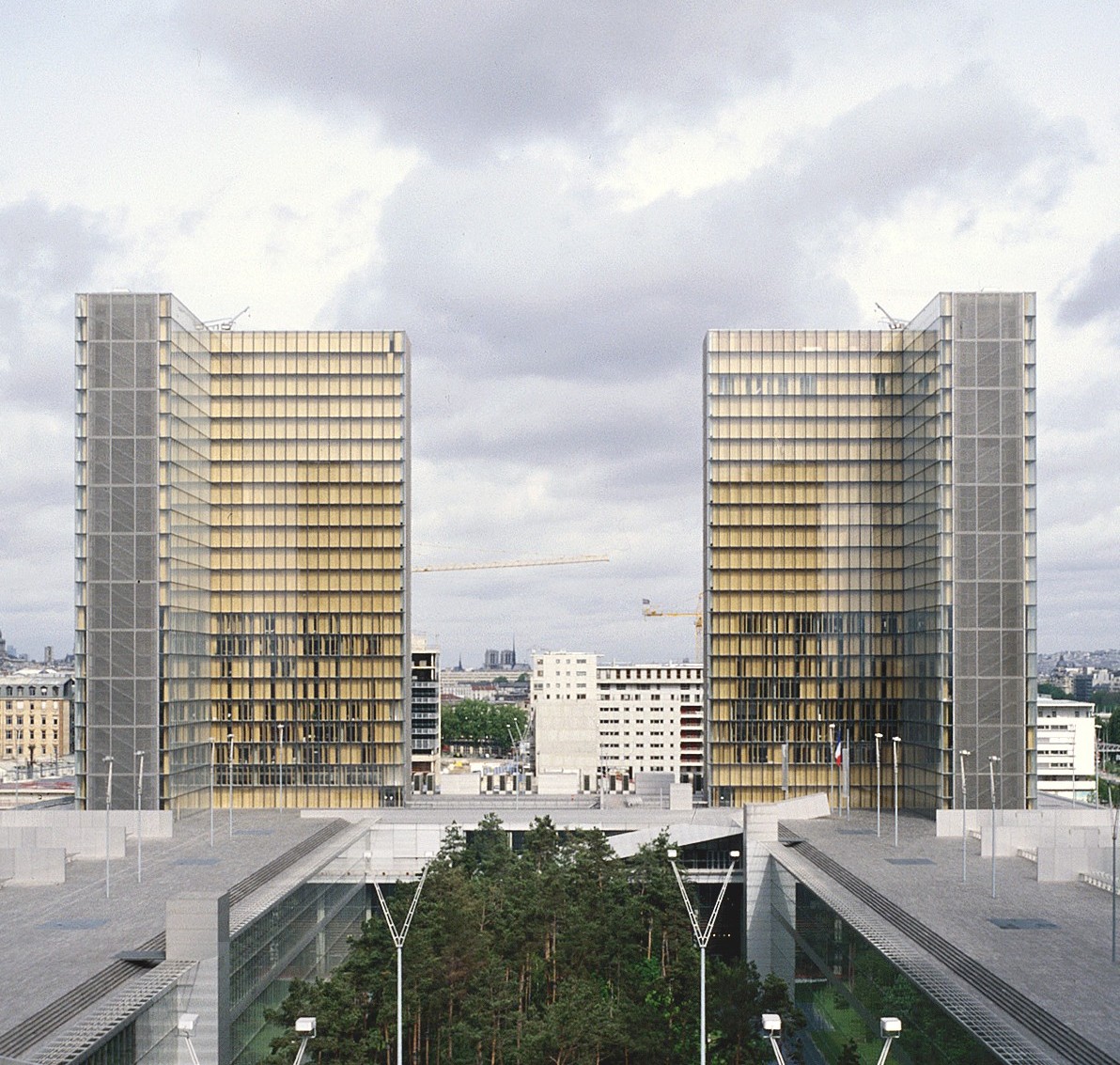
THE FRENCH NATIONAL LIBRARY
PR 083
Culture
Paris
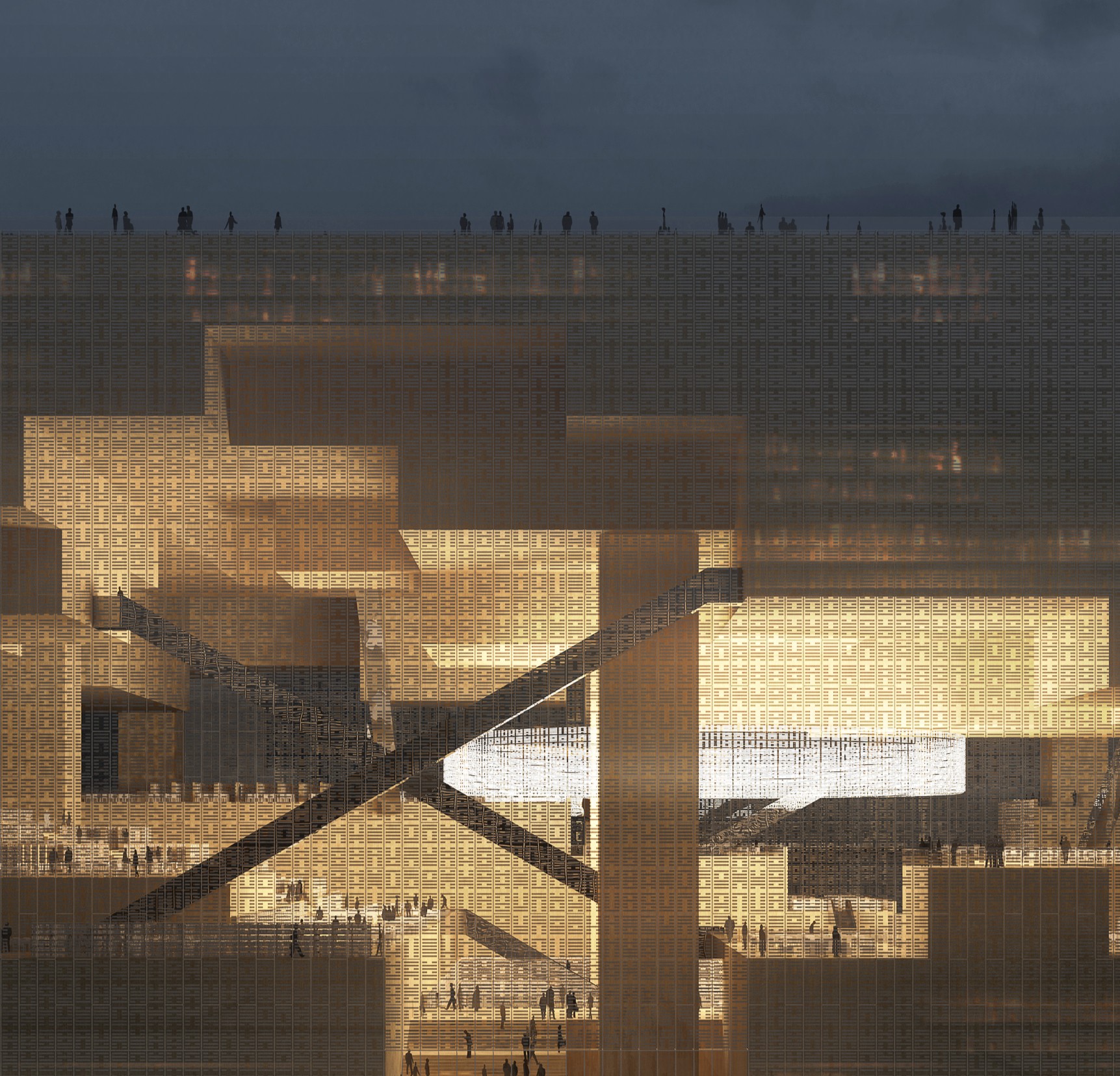
LIBRARY
PR–520
Culture
Shanghai
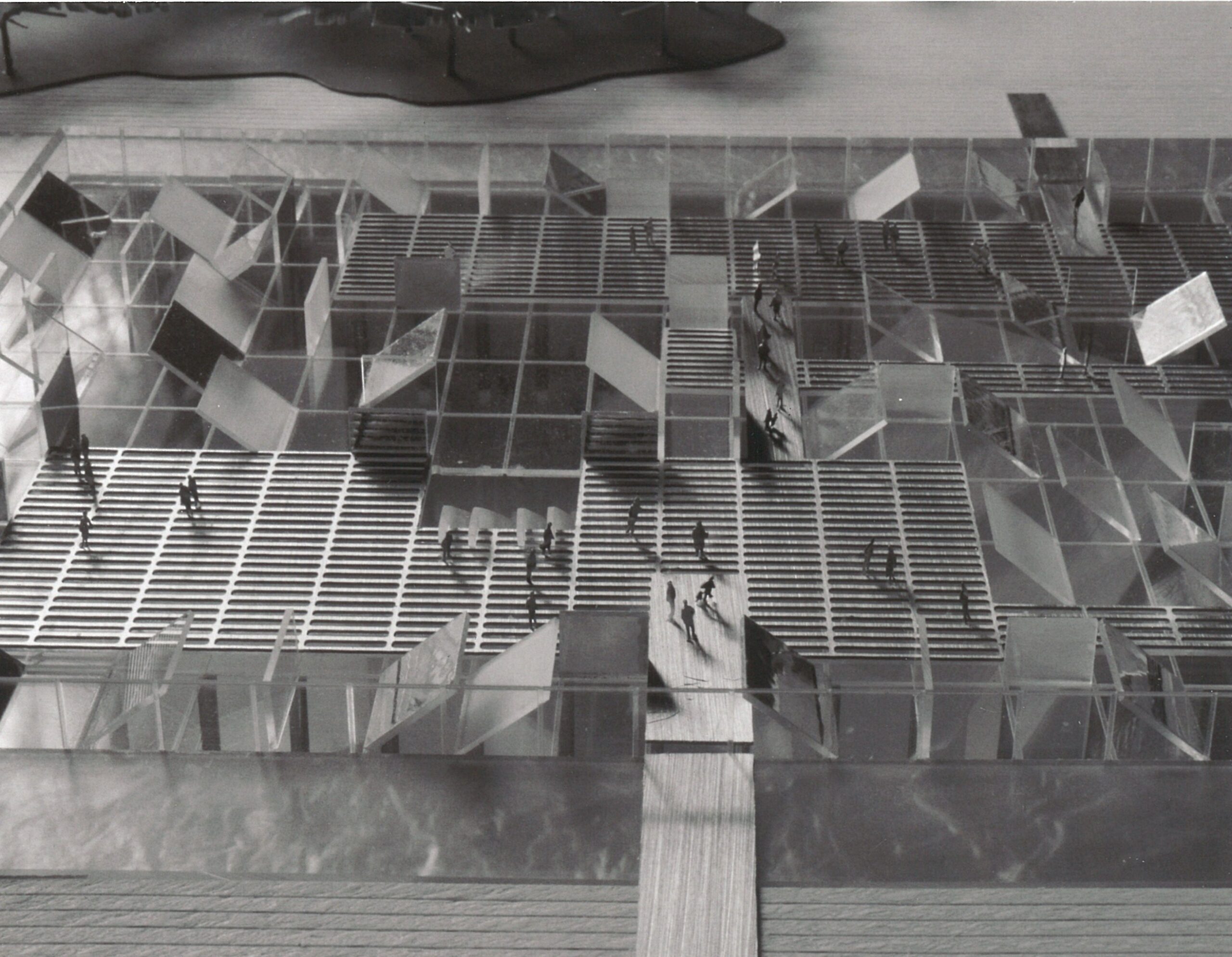
KANSAI-KAN LIBRARY
PR-099
Culture
Kyoto
DUFOUR PAVILLION
PR-517
Culture
Versailles
DOBRÉE MUSEUM
PR 412
Culture
Nantes
FONDATION PINAULT FOR CONTEMPORARY ART
PR 192
Culture
Boulogne-Billancourt
CAMPUS MERCEDES-BENZ
PR 444
Culture
Stuttgart
MUSEUM OF ETHNOGRAPHY
PR–536
Culture
Budapest
REINA SOFIA MUSEUM
PR 143
Culture
Madrid
MISSION ÎLE DE LA CITÉ PARIS – ORIENTATION TOWARDS 2040
RE-004
Research
Paris
EXHIBITION HALL LEÓN
PR-555
Culture
León
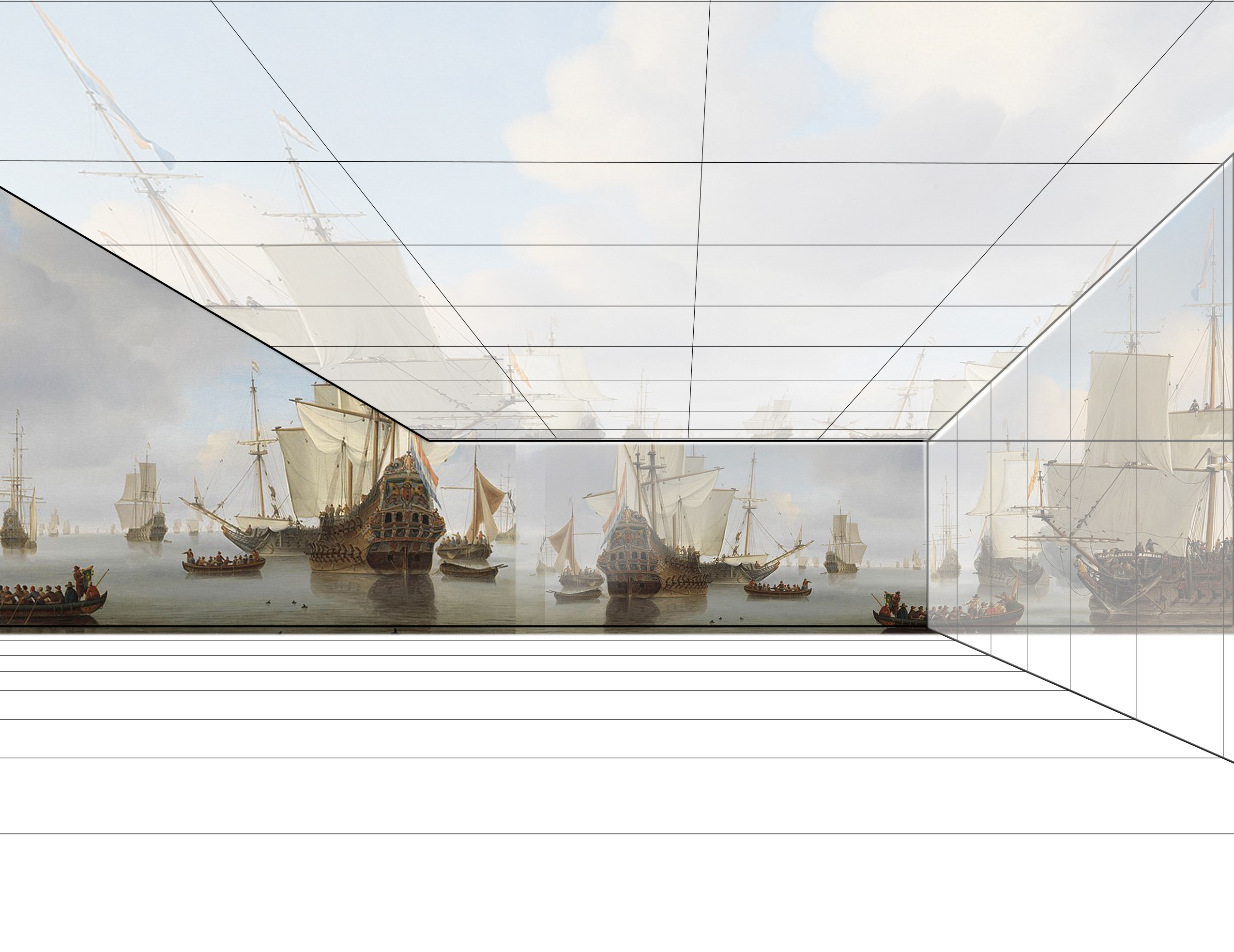
ARCHAEOLOGY MUSEUM
PR–617
Culture
Rostock
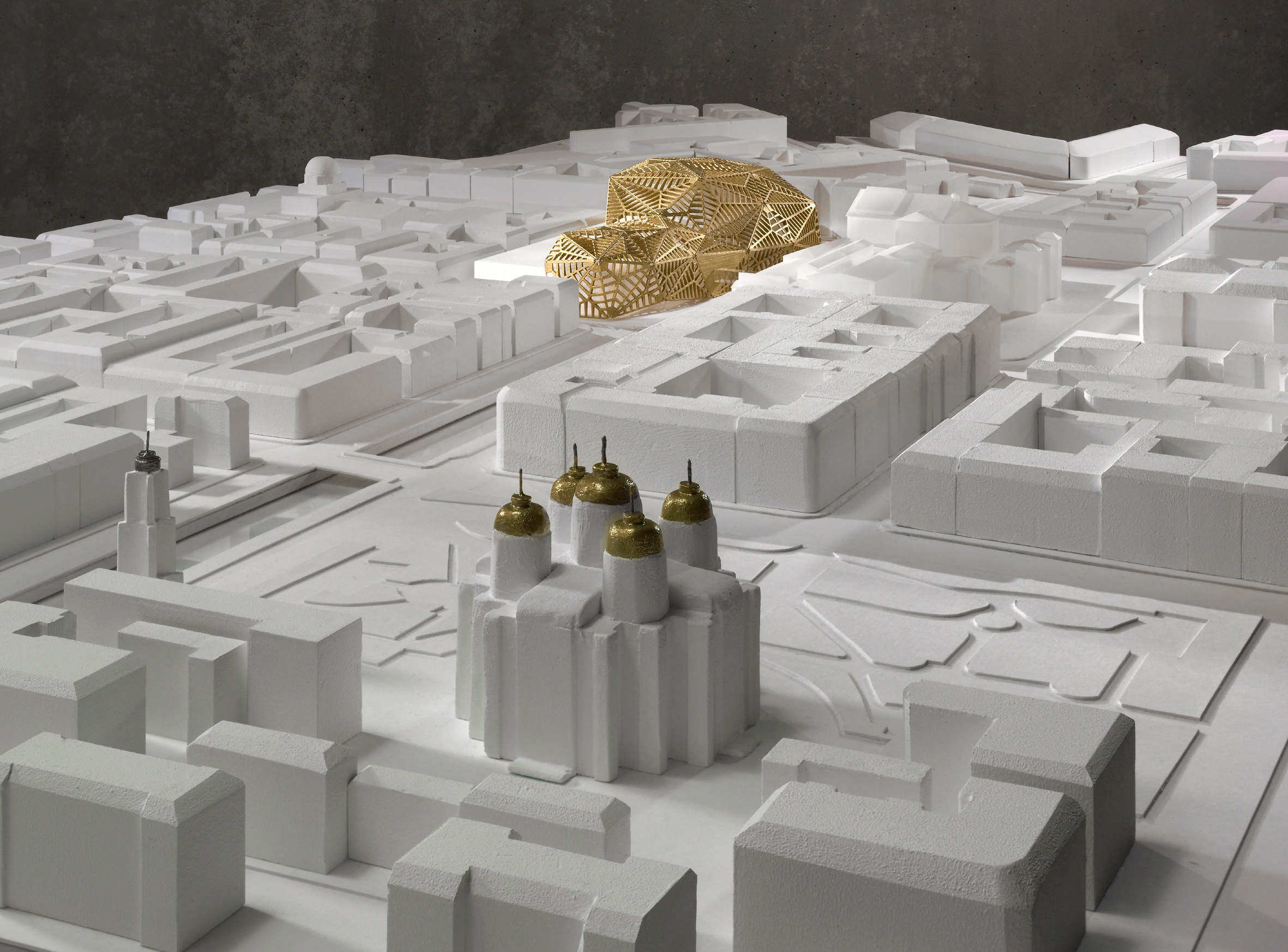
MARIINSKY THEATER
PR-238
Culture
St-Petersbourg
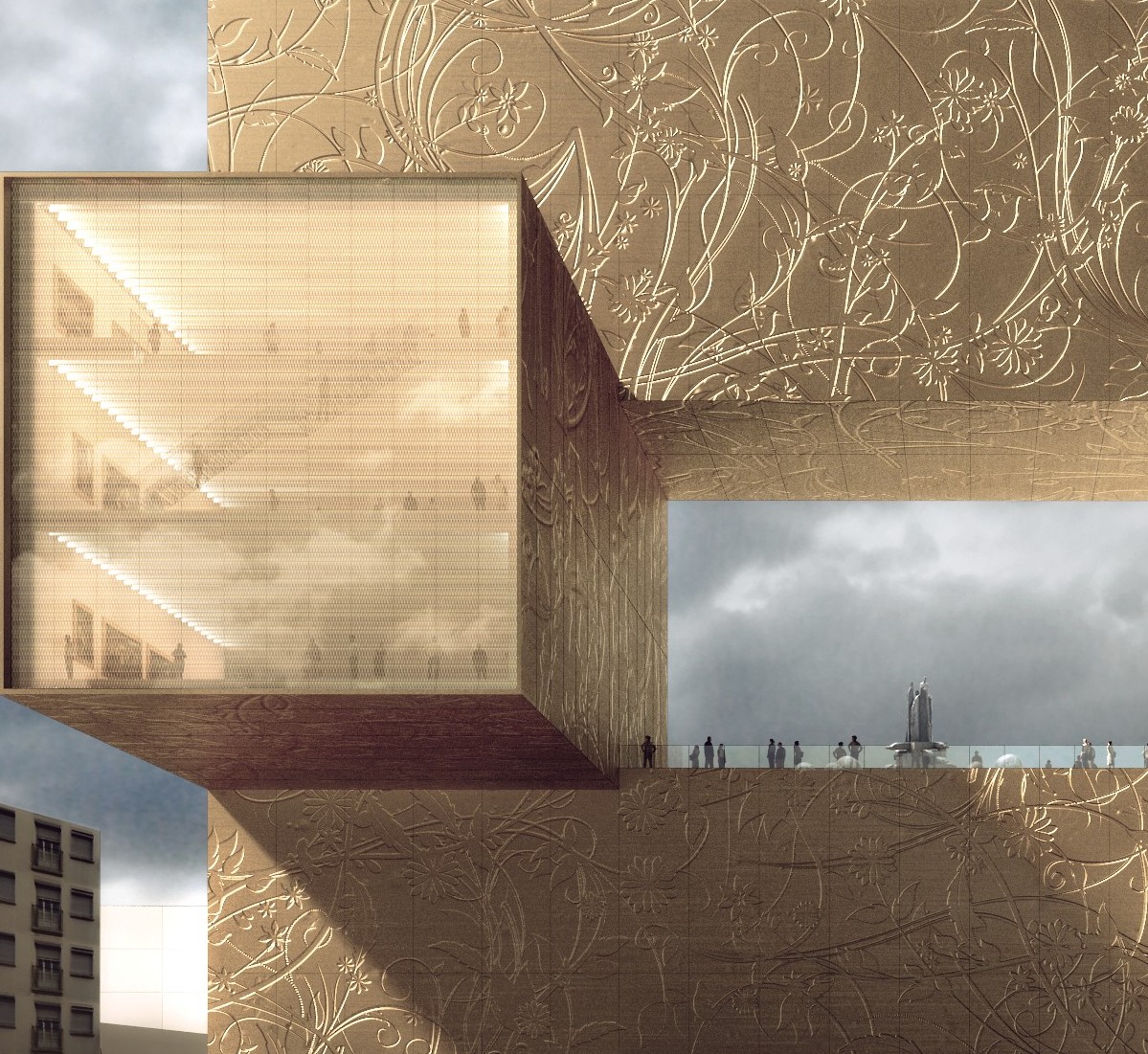
MUSEUM OF FINE ARTS
PR–450
Culture
Reims
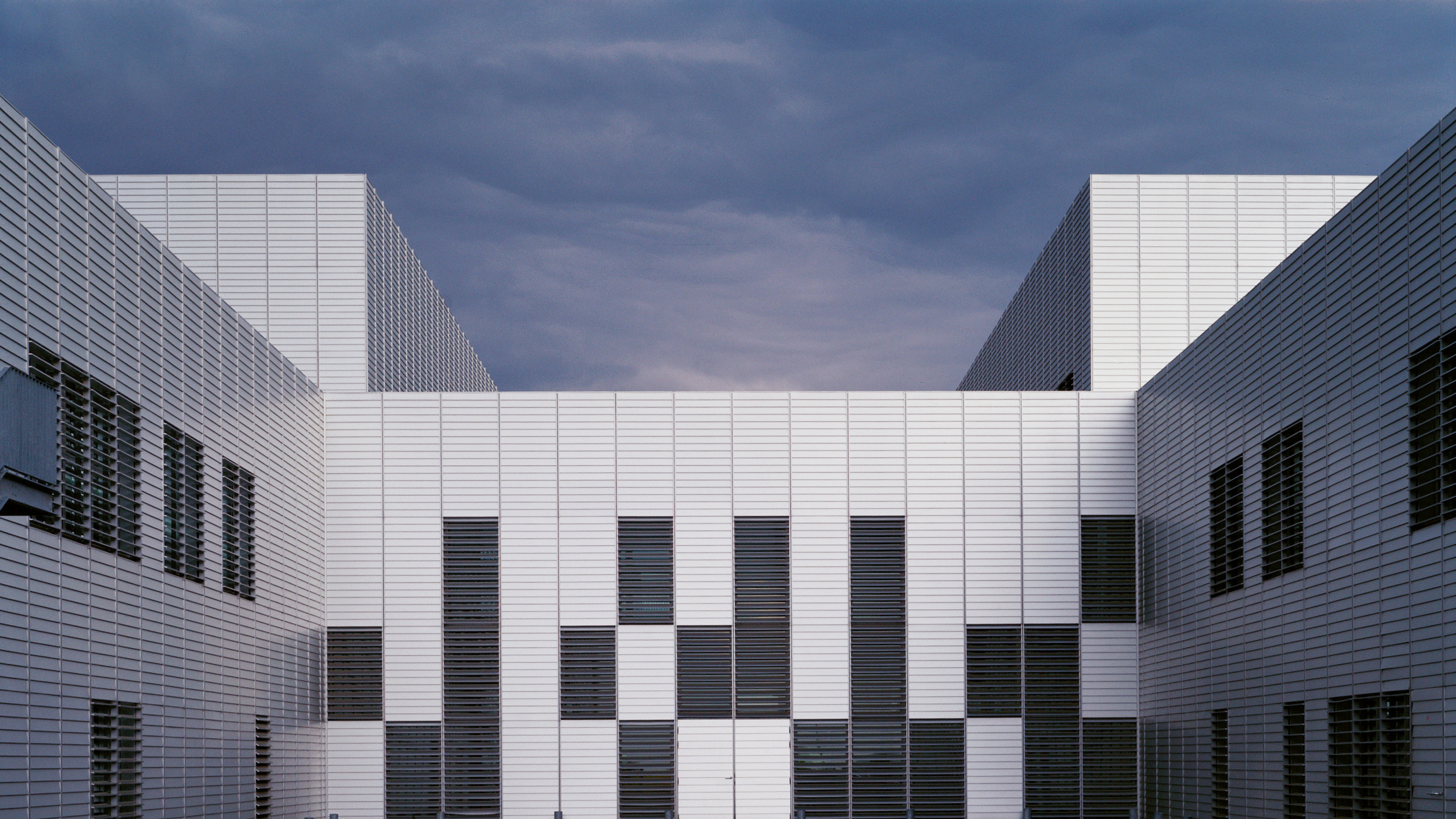
TECHNICAL CENTER FOR BOOKS
PR 085
Culture
Bussy-Saint-Georges
QUAI D’ORSAY
PR–525
Culture
Paris
LIGHTWALK – GANGNAM INTERNATIONAL TRANSIT CENTER
PR-669
Masterplan
Seoul
GROUNDSCAPES DESIGN LAB – RETHINKING CITIES UNDERGROUND
RE-002
Research
NOTRE-DAME-DU-LAUS SANCTUARY
PR-443
Culture
Gap
CONSERVATION OF THE DOMAINE DE FRAPOTEL – PRESENTATION, HERITAGE, LEGACY
RE-004
Research
GRAND THEATER
PR 487
Culture
Albi
MESH / WEAVE THE METAL – FROM INDUSTRY TO ARCHITECTURE
RE-001
Research
SAN PELLEGRINO THERMAL BATHS
PR-362
Hospitality
Bergamo
