COURT OF JUSTICE OF
THE EUROPEAN UNION (CJ4 + CJ8)
LUXEMBOURG
1996-2008, 2014-2019
INSTITUTION
PR–351
Since its creation in 1952, the Court of Justice of the European Union has constantly reinvented itself, reflecting the very image of the Europe it represents. Housed in various buildings spread across the same site, it has developed in step with the expansion of the European Community.
GALLERY
032


VIDEOS
001
001 Presentation video
PROGRAM
CJ4 – Phase 1, 1996-2008
The Court of Justice of the European Union is the only European institution to have been built and rebuilt upon itself since the construction of the original building in 1973 by architects Jean-Paul Conzemius, François Jamagne, and Michel Vander Elst. This fourth extension comprises: the original building, renovated and raised by 20,168 m², with 5 courtrooms (including a large ceremonial courtroom for 41 members and 300 seats), interpreter booths, deliberation rooms, and the main hall; the 16,851 m² ring building for the offices of the 40 member states; and the 34,208 m² towers, comprising two 24-story towers (107 m high) for the translation services, accommodating 1,000 people providing translations into
DETAIL
Situation
Kirchberg Plateau, Luxembourg, Luxembourg
Year
1996–2008 / 2014–2019
Status
International consultation, winning team
Built surface
100 000 m²
Client
Court of Justice of the European Communities, Public Buildings Administration, Luxembourg
Architect
Dominique Perrault Architecte
Associate architect
Paczowski & Fritsch, m3 architectes
Urbanist
ACP Group
Engineering office
Jacoby & Associés SA, Schroeder & Associés SA, TR Engineering SA, Felgen & Associés SA, Bevilacqua & Associés SA, Ralf Rache, Jean Schmit Engineering SARL, RMC consulting, Cabinet Casso et Cie, AIB Vinçotte, Secolux, Jean-Paul Lamoureux
Interior designer
Gaëlle Lauriot-Prévost
PROGRAM
CJ8 – Phase 2, 2014-2019
The third tower and gallery of this fifth extension are a continuation of the fourth extension, completed in 2008. The third tower differs from the first two in its slightly offset placement relative to the original orthogonal plan and in the juxtaposition of two slender volumes. It houses the translators’ offices and translation-related services to meet the growing needs of the Court.
DETAIL
Status
Commission under copyright law
Situation
Kirchberg Plateau, Luxembourg, Luxembourg
Client
Ministry of Sustainable Development, Luxembourg; Public Buildings Administration, Luxembourg; Court of Justice of the European Communities, Luxembourg
Architect
Dominique Perrault, architecte, urbaniste
Partners
SRA Architectes, Paris / Jean Petit Architectes, Luxembourg (MOE)
Interior designer
Gaëlle Lauriot-Prévost
Urbanist
ACP Group
Engineering office
Ney & Partners, Felgen et Associés Engineering SA, Sorane SA, Betavi Ingénieurs Conseils SA, Terrell, Secolux SA, D3 Coordination SA, PricewaterhouseCoopers, Jean Paul Lamoureux
Built surface
50 000 m²
DESCRIPTION
With the expansion to twenty-seven countries, the Court began a fourth extension, quickly followed by a fifth, according to an injection strategy favoring the connection between spaces rather than their simple juxtaposition.
READ MORE
By incorporating the witnesses of its history, the site has been redesigned starting from the transformation of the original metal palace, built in 1973. Below and connected to it, a seven hundred meter gallery links all the existing structures, up to the three new towers, built gradually to meet the growing needs of the Court.
RELATED PROJECTS
MISSION ÎLE DE LA CITÉ PARIS – ORIENTATION TOWARDS 2040
RE-004
Research
Paris
REINA SOFIA MUSEUM
PR 143
Culture
Madrid
DUFOUR PAVILLION
PR-517
Culture
Versailles

MUSEUM OF MODERN ART (MoMA)
PR-113
Culture
New York
THE FRENCH NATIONAL LIBRARY
PR 083
Culture
Paris
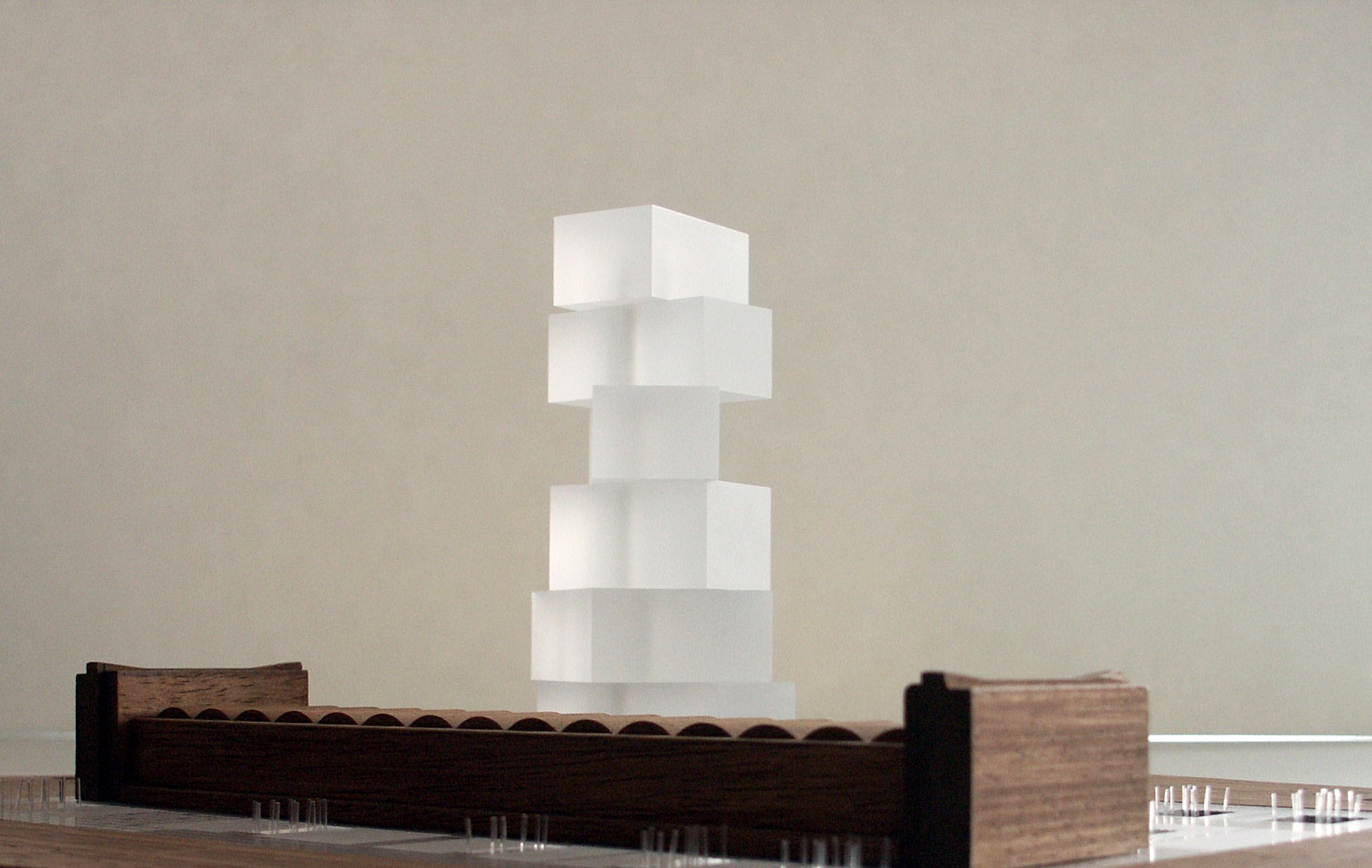
EUROPEAN CENTRAL BANK
PR 233
Institution
Francfort-am-Main
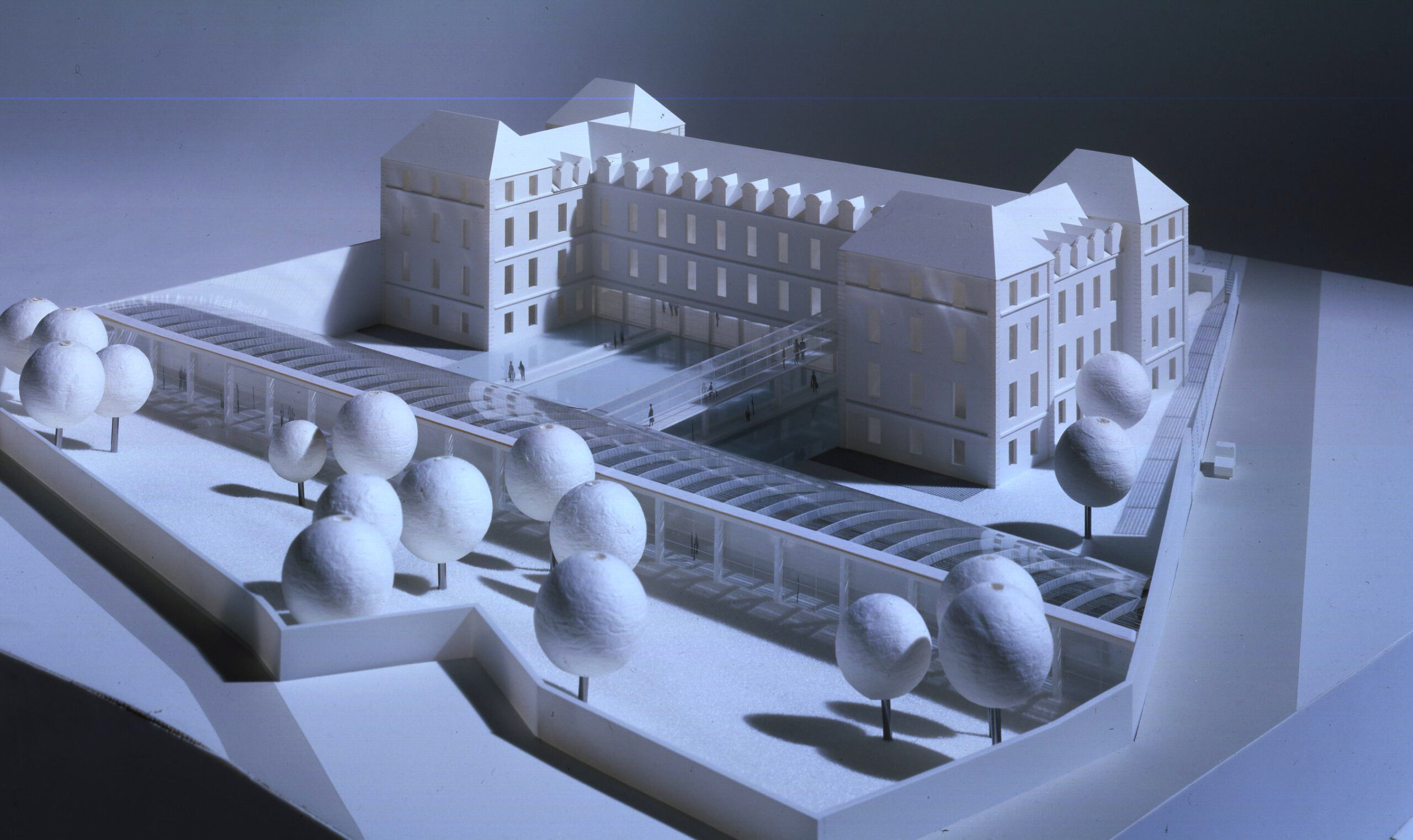
MEUSE DEPARTMENT CITY HALL
PR-075
Civic
Bar-le-Duc
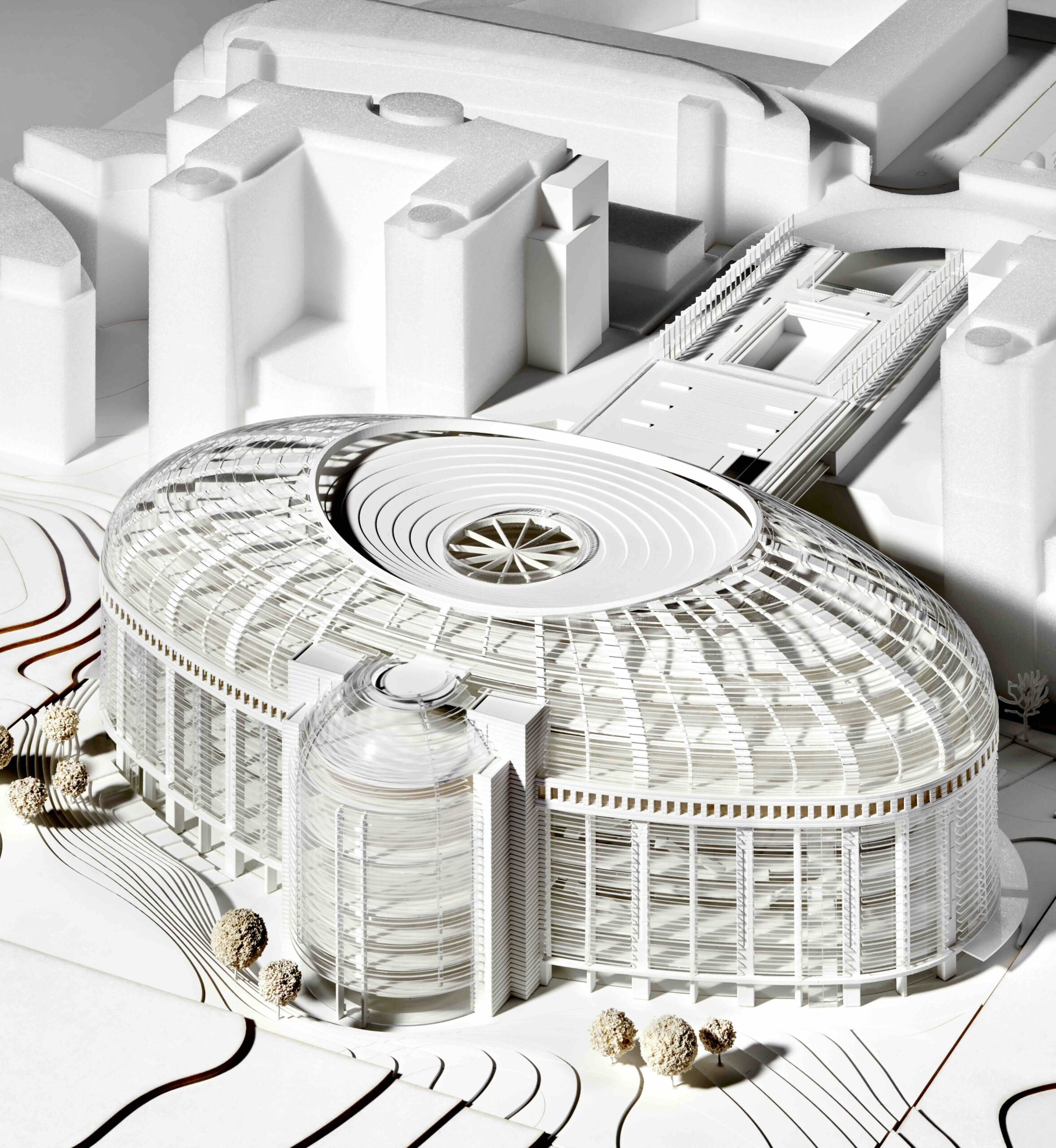
EUROPEAN PARLIAMENT
PR 604
Institution
Bruxelles
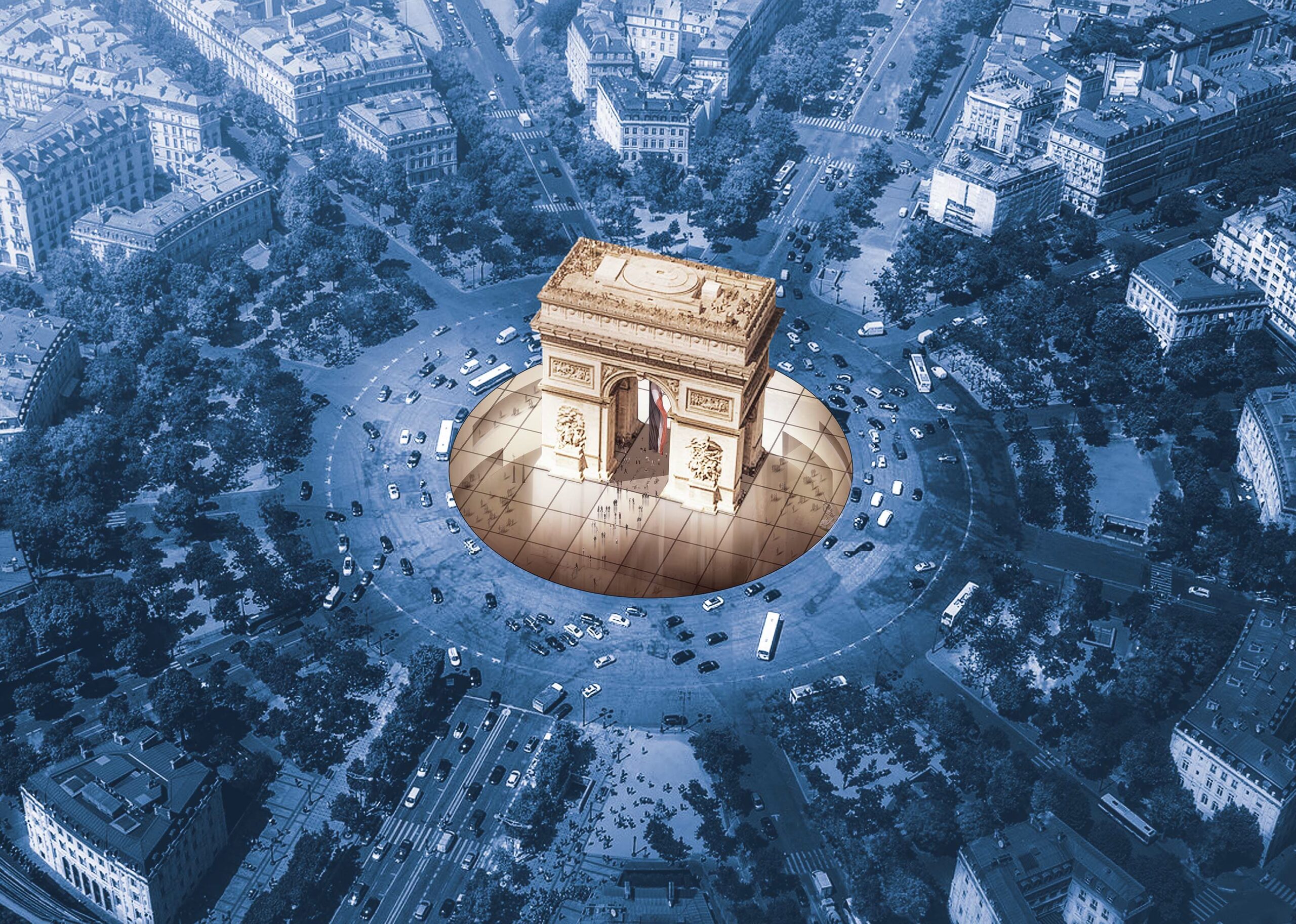
GROUNDSCAPES DESIGN LAB – RETHINKING CITIES UNDERGROUND
RE-002
Research
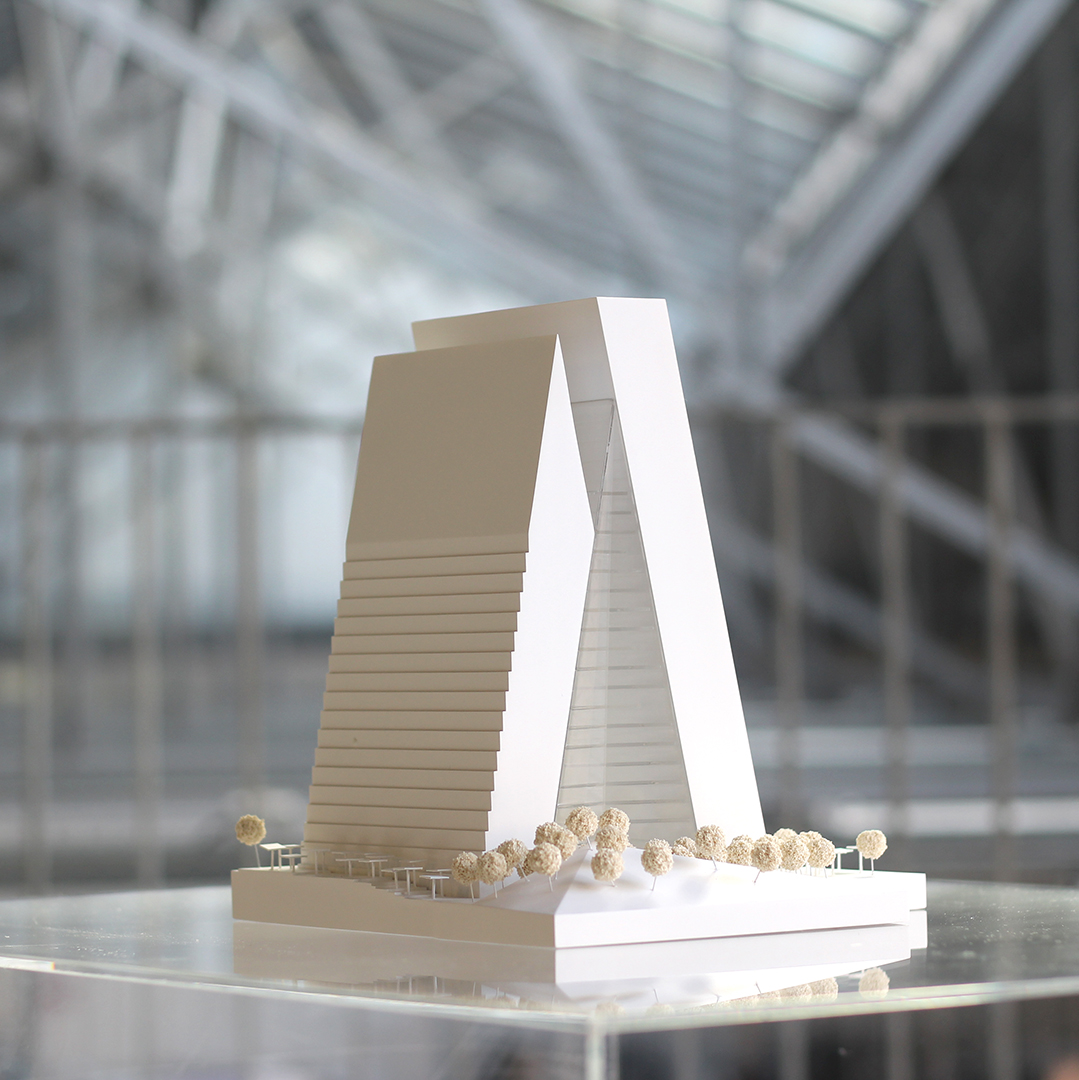
COMMON HOUSE
PR 627
Tower
Düsseldorf
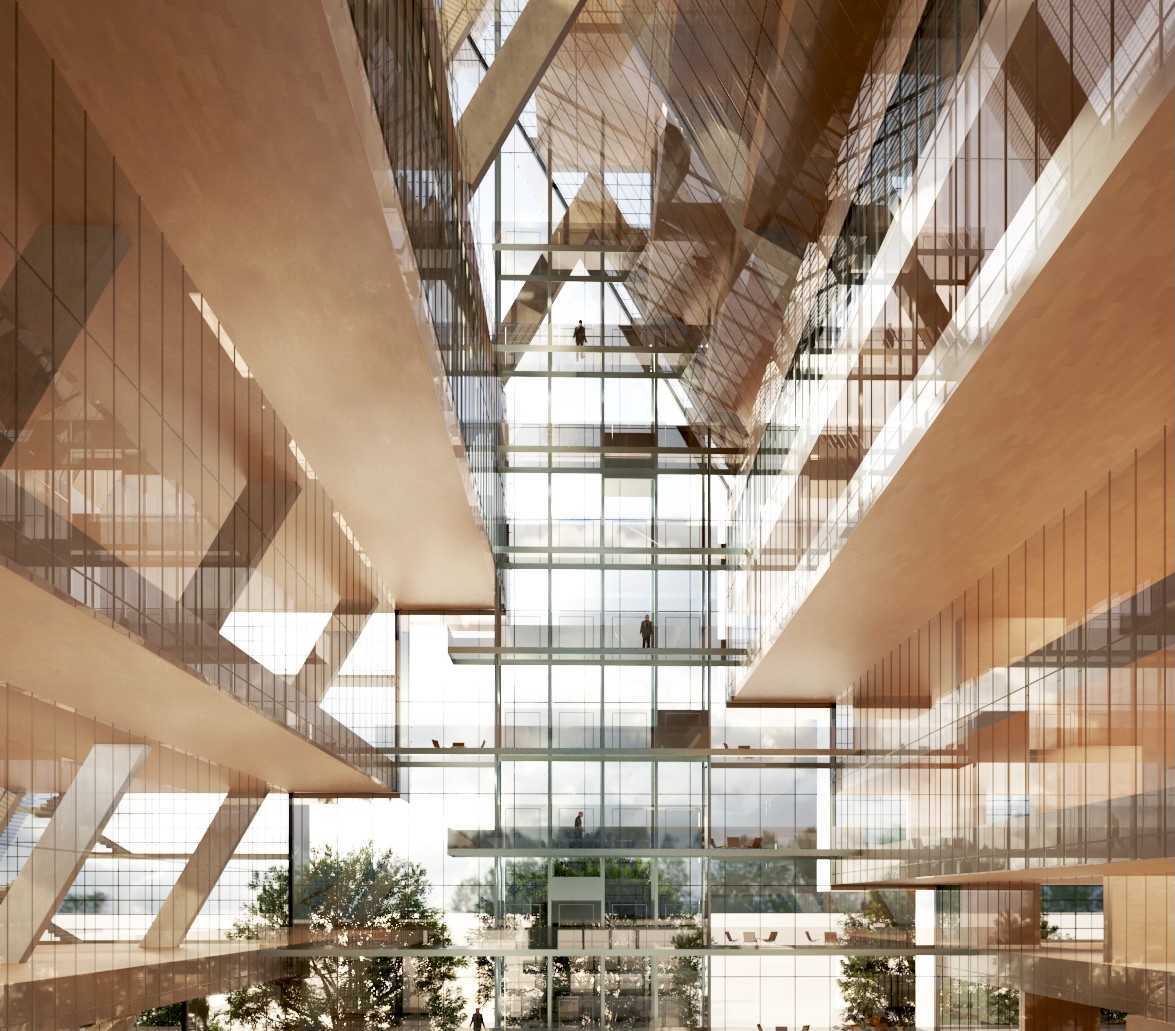
CITY HALL
PR 592
Civic
Cheongju
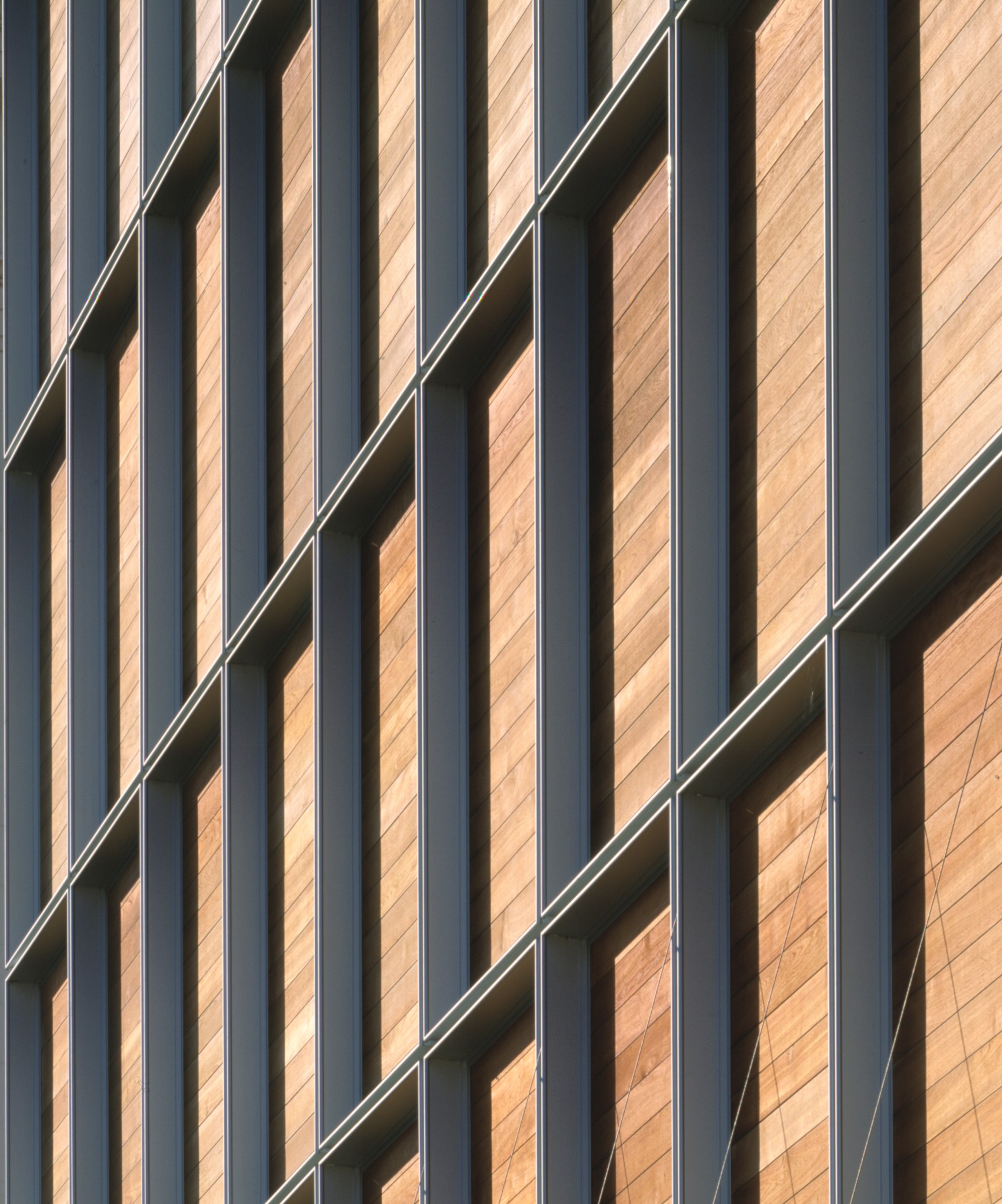
THE MAYENNE DEPARTMENTAL ARCHIVES
PR 069
Civic
Laval
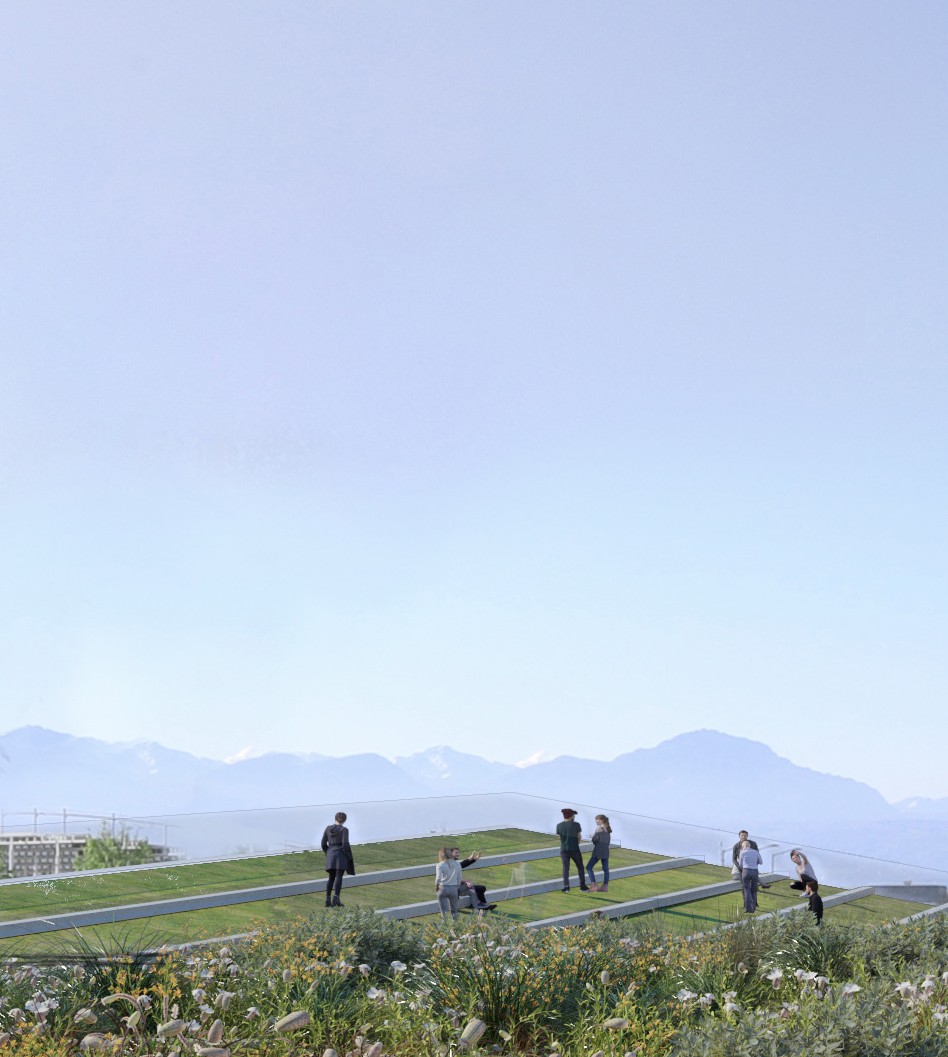
DOUBLE DECK EPFL ESPLANADE DOME
PR 660
Education
Lausanne
TEACHING BRIDGE EPFL
PR 418
Education
Lausanne
CITY HALL
PR 249
Civic
Innsbruck
