BERLIER
INDUSTRIAL BUILDING
PARIS
FRANCE, 1985-1990
INDUSTRY
PR–054
Inaugurated in 1990, the Berlier industrial building is a major milestone in the history of contemporary architecture. Awarded several prizes and acclaimed internationally, it foreshadowed the National Library of France.
GALLERY
017

001

002

003

004

005

006

007

008

009

010

011

012

013

014

015

016
017
PROGRAM
The Berlier industrial building, a hybrid between office and industrial space, is a 15,000 m² business park spread over ten floors. It houses around forty companies in open-plan office spaces and also includes company restaurants and parking.
The 2021 renovation transformed the building into a complex of offices and workshops for 1,000 users, while improving comfort and energy efficiency. Levels 0-1 house the municipal laboratories LEM/LER, specializing in testing materials and urban equipment. The 6th floor is dedicated to the Rocal pharmaceutical laboratories. Levels 2-8 (excluding 6) accommodate companies, startups, and incubators, in partnership with the City of Paris and local stakeholders.
DETAIL
Situation
rue Bruneseau, Paris, France
Year
1985–1990 / 2014–2022
Status
National competition, winning project
Site area
4 700 m²
Built surface
21 000 m²
Client
Société anonyme de gestion immobilière (Sagi) / Régie immobilière de la Ville de Paris (RIVP)
Architect
Dominique Perrault Architecte
Engineering office
Technip, Planitec / Axio, Edeis, Arcora, Jean-Paul Lamoureux, Atelier Franck
Interior designer
Gaëlle Lauriot-Prevost
DESCRIPTION
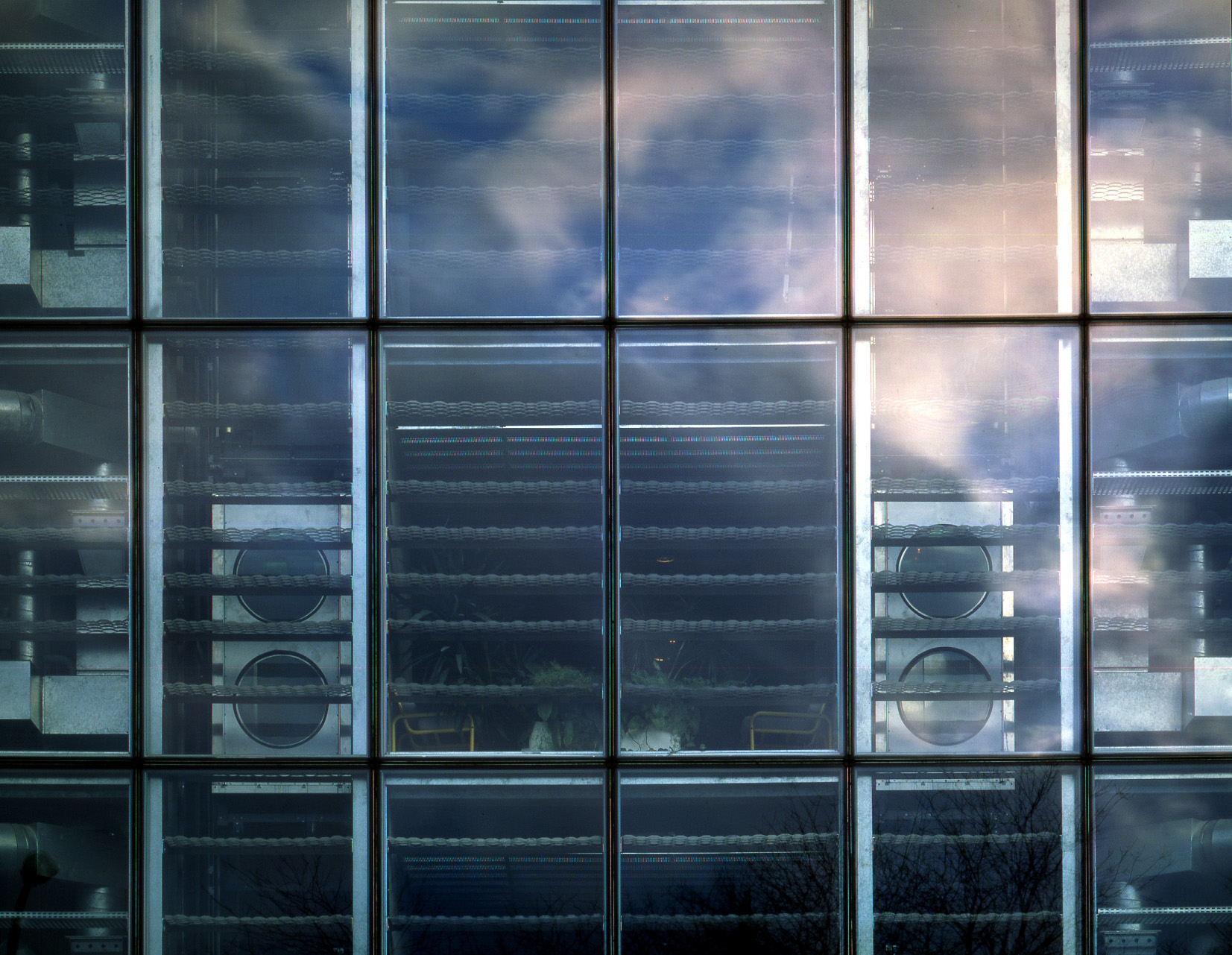
The Berlier industrial hotel is the first building to feature a curtain wall, without any visible aedicule or acroterion from the street. Each element was conceived and custom-made to create a prism of glass of unsettling perfection, inviting the gaze to lose itself in the controlled transparency of its lines, where architecture becomes almost immaterial.
READ MORE
For the renovation of the Berlier industrial building, innovation lies in the invisible: a remarkably discreet gesture preserves the purity of the original prism while reinventing it from within. The integrity of the building’s envelope, its smooth, immaterial skin, its connection to the ground, and its relationship with the environment remain intact.
The intervention takes place inside: a second glass skin, mirroring the molding of the original facade, is inserted into the existing volume. Invisible from the outside, it improves the building’s thermal and energy performance. Vertical circulation is multiplied to increase capacity and adapt it to a mixed program of workshops and offices. This architectural manifesto, a symbol of an era and the transformation of a neighborhood, remains visually unchanged.
RELATED PROJECTS
SOMELOIR FACTORY
PR 001
Industrial
Châteaudun
UNIMETAL SITE
PR 109
Industrial
Caen
ROCHE DIAGNOSTICS
PR 575
Workplace
Meylan
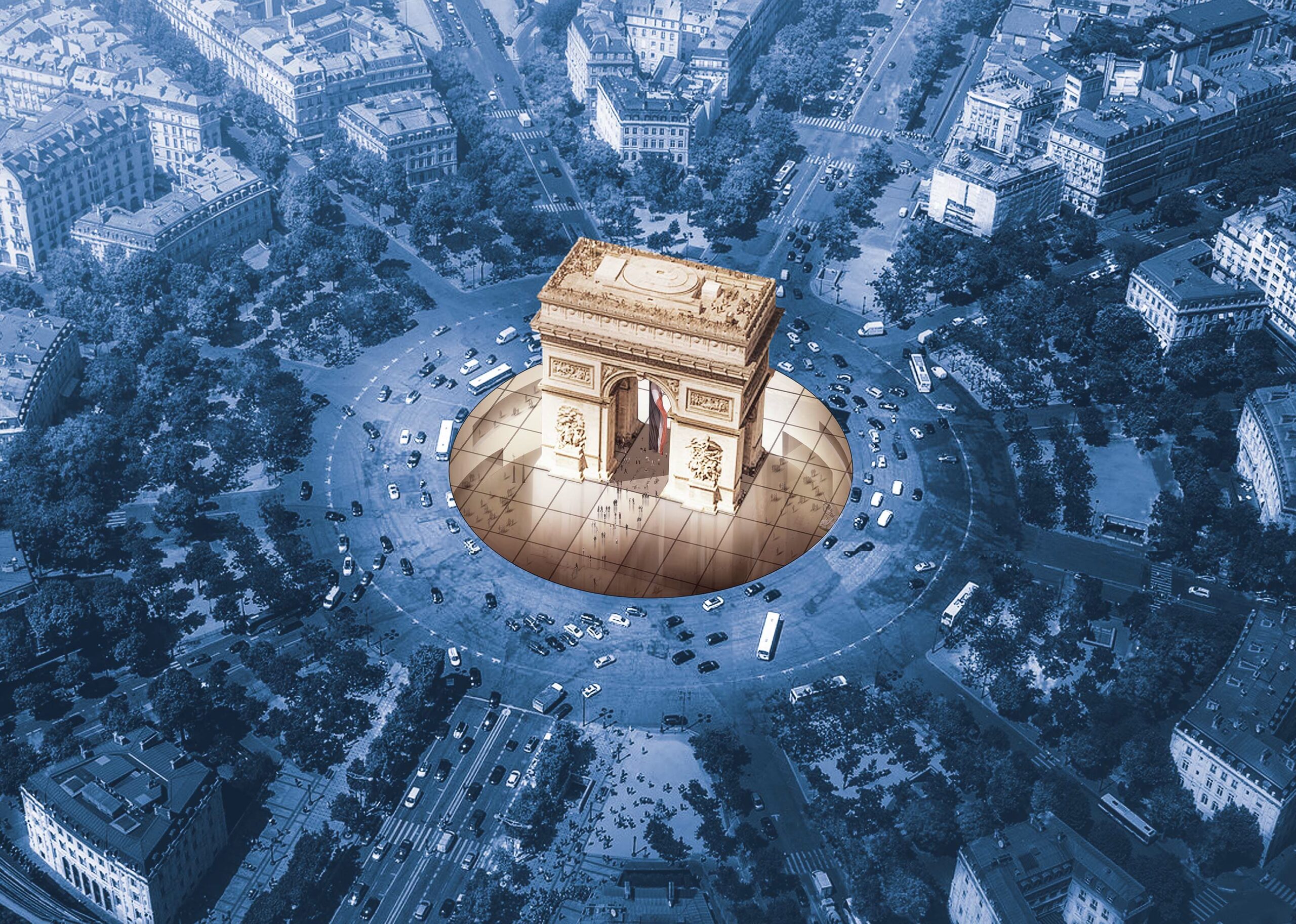
GROUNDSCAPES DESIGN LAB – RETHINKING CITIES UNDERGROUND
RE-002
Research

MESH / WEAVE THE METAL – FROM INDUSTRY TO ARCHITECTURE
RE-001
Research
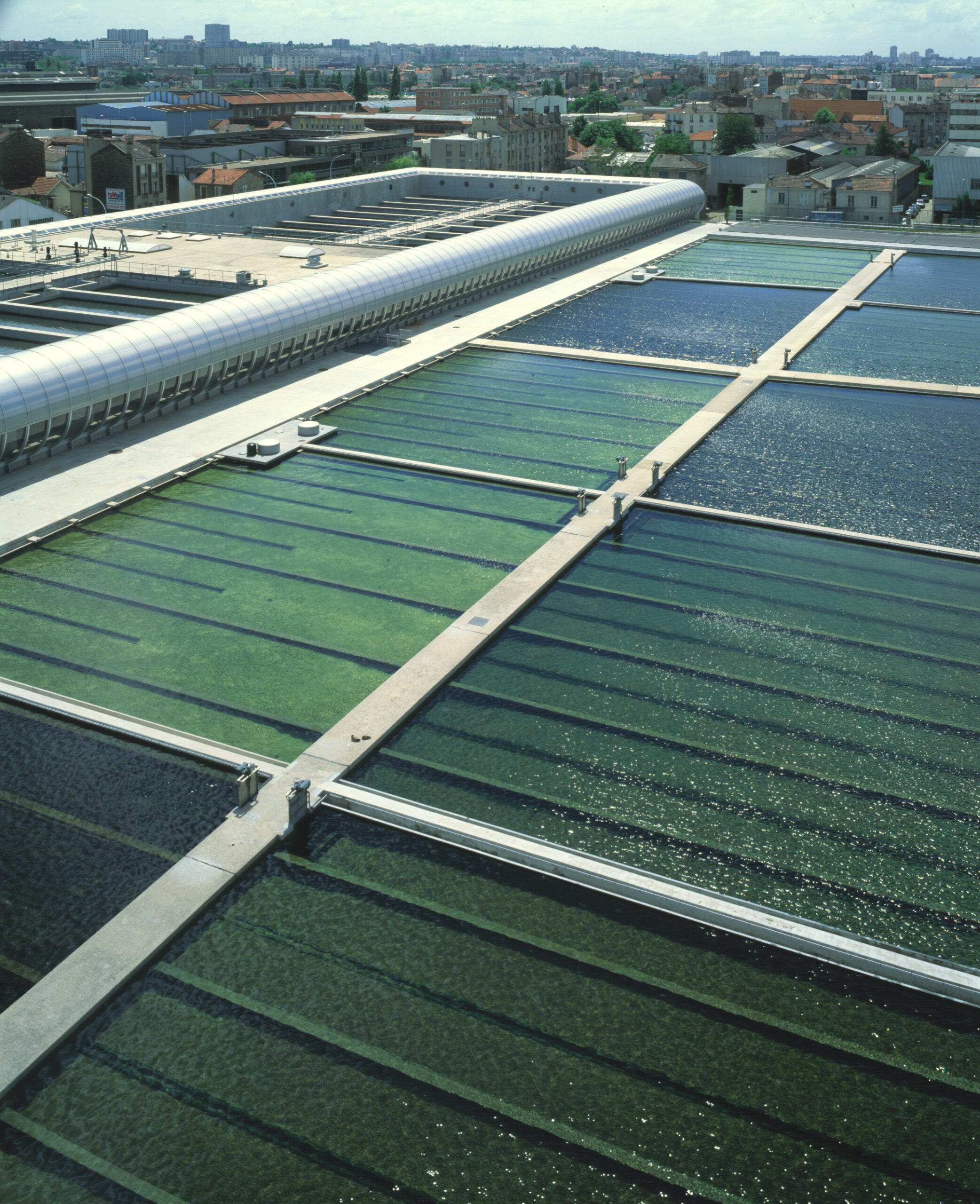
SAGEP WATER TREATMENT PLANT
PR-068
Infrastructure
Ivry-sur-Seine
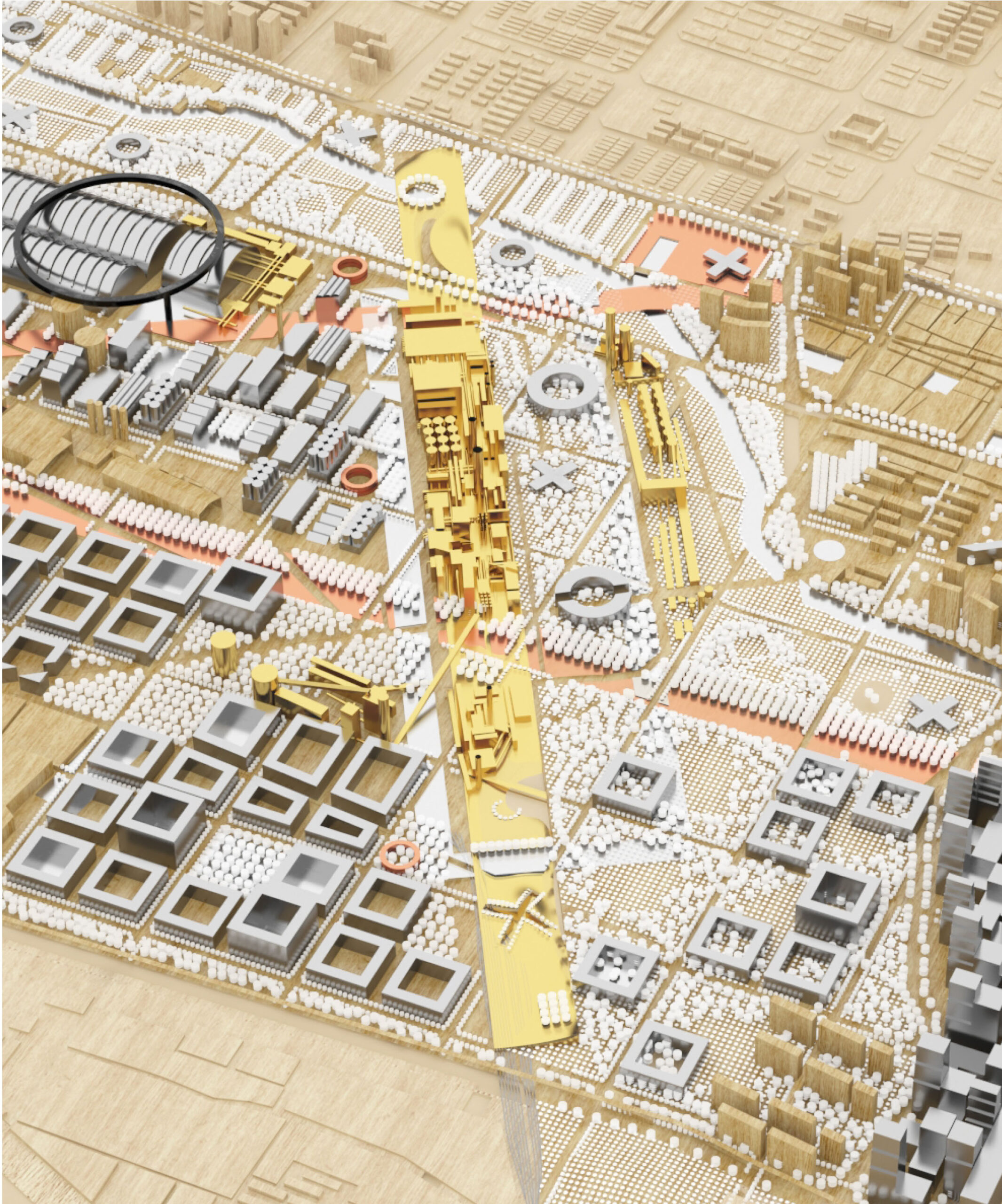
MASTERPLAN HANGANG DISTRICT
PR-594
Masterplan
Handan
GKD FACTORY
PR 251
Industrial
Cambridge
