CARPARK FUTURES
OPPORTUNITIES IN
THE UNDERGROUND
RESEARCH
RE–008
When we talk about parking architecture, we never consider underground parking lots. It makes you wonder if they themselves have succumbed to their purpose of removing cars from public spaces. Yet the densest city centers rely on these underground infrastructures, whose significant presence is absolutely essential to contemporary urban life. Indeed, their systematic introduction into city centers since the 1970s has allowed private cars to be integrated into existing urban fabrics without completely transforming them. In the case of the car, underground spaces have proven to be the obvious place to integrate this new mobility technology, which has reinvented the concept of the city in its broadest sense. The underground spaces built in this way have multiplied to meet demand, creating significant and underestimated reserves of surface area, volume, and land, whose potential is all the more staggering when we consider the mobility and ecological needs of contemporary cities.


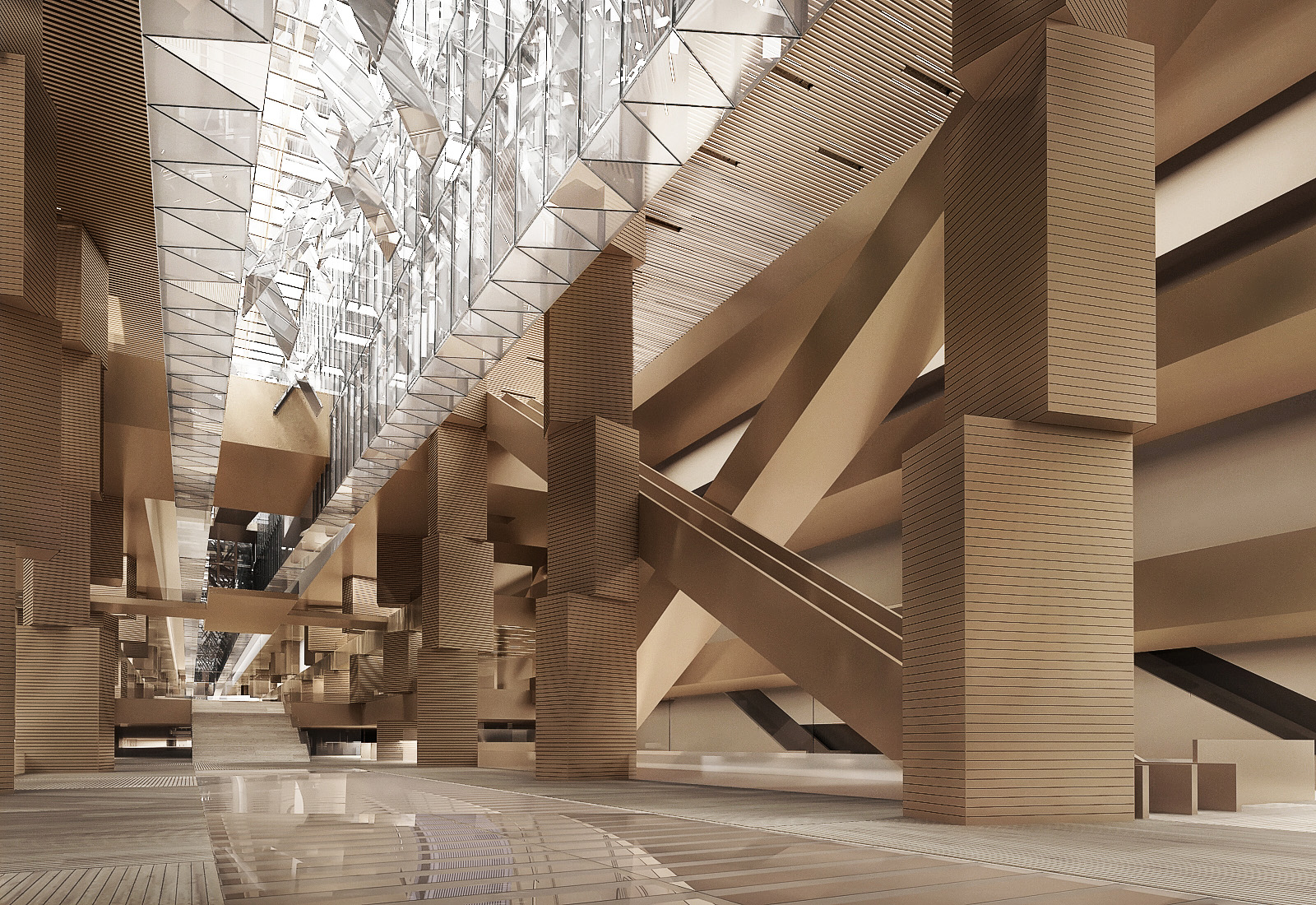
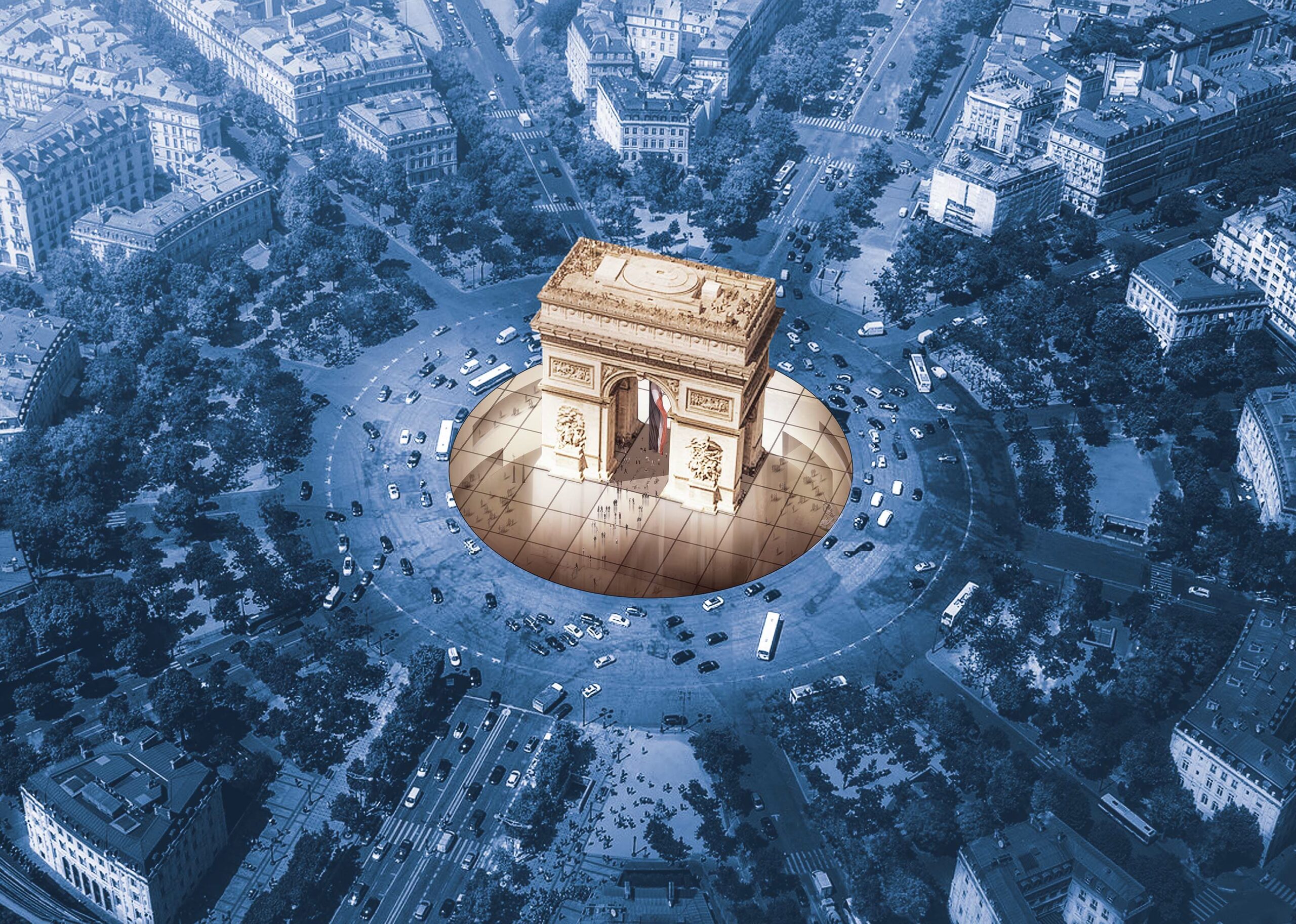
From the National Library of France in Paris to Ewha Women’s University in Seoul, the extension of the Palace of Versailles, the Villejuif-Gustave Roussy metro station for the Grand Paris Express, and the Gangnam Intermodal Transit Center in Seoul, Perrault Architecture has continually developed architectural strategies for the surface of the ground throughout its work. This work has crystallized the concept of “Groundscape”—a combination of ‘Ground’ and “Landscape”—which for several years has brought together architectural strategies involving underground spaces, whether exploring their spatial possibilities or offering new resilient, aesthetically responsible, and sustainable solutions.
Launched in 2019, the Carpark Futures cycle is the result of a collaboration between Perrault Architecture’s architectural and urban research on the “groundscape” and “Sub Estates” and the vision of the Indigo Group, the world leader in parking and individual mobility.
This study on underground parking lots is an opportunity for the Indigo Group to broaden the scope of the principles of Groundscape architecture on a scale that is less monumental than that of large public projects, but just as important in terms of its potential for systematic implementation and numerous possible variations. The ambition to deploy these “Groundscape” strategies in a variety of urban contexts in order to diversify the programmatic capacity of the underground is an opportunity for Perrault Architecture to introduce the concept of “Sub Estates,” the valuable “subterranean real estate” that is underground property. The development topics initiated by this study invite a profound redefinition of the nature of the urban underground beyond space and its architecture. These will need to be accompanied by innovations in terms of safety, regulation, mapping, and ownership, without which the architectural and real estate potential of the underground cannot be realized. This study is also a call to move away from the common perception of underground space as a dark and hostile place and to appreciate it as a resource that extends and complements our world, like a nourishing root system without which the surface cannot exist.


GALLERY
013

001

002

003

004

005

006

007

008

009

010

011

012

013
PROGRAM
Analysis and development of architectural strategies to redevelop basements and underground parking lots, with a view to enhancing their value, diversifying their uses, and integrating them into contemporary urban dynamics.
DETAIL
Situation
Boulogne-Billancourt, France
Year
2020
Status
Prospective study analyzing the architecture of underground parking lots
Sponsor
Groupe Indigo, Boulogne-Billancourt, France
Lead architect and urban planner
Dominique Perrault Architecte
DESCRIPTION
In response to changing urban lifestyles, Indigo and Perrault Architecture are drawing on their experience in underground infrastructure to imagine a new vision for the parking lot of the future. Parking lots are being reinvented to build the city of tomorrow: they are no longer just a place to park your car, but a space that can play a full part in transforming the city. They can open up more to the city, to the street, but also to the sides and underneath, becoming places connected to different forms of mobility and welcoming new uses: event spaces, leisure or relaxation areas for residents, but also services for businesses, such as last-mile logistics, storage, data centers, or geothermal energy production. Designed in a more flexible way, they can also offer vehicle-related services: electric charging, maintenance, repair, or valet parking. Parking thus becomes an evolving infrastructure, capable of supporting urban transformation.
READ MORE
Carpark Futures has been marked by several key milestones and deliverables, with a constant focus on fostering dialogue between the worlds of architectural and urban planning research and real estate, including underground real estate:
– a study delivered in 2020 for the Indigo group, aimed at moving away from the common perception of underground space as a dark and hostile place and instead appreciating it as a resource that extends and complements the world “above ground.” The study describes the evolution of parking lots, which is inevitably linked to that of mobility and its consequences on urban public space, leading to several transformation scenarios corresponding to different types of underground parking spaces. It combines programmatic considerations so that these underused spaces can accommodate new uses—logistics, mobility services, energy from geothermal and groundwater sources, agriculture—and so that architecture can contribute to their revelation in the city by bringing them natural air and light and freeing them from the constraints of the ground.
– An online course dedicated to the architectural development of underground infrastructure was also offered as an extension of the experiments conducted by Dominique Perrault and the SubLab, founded in 2013 at the Swiss Federal Institute of Technology in Lausanne. This 2021-2022 edition of the MOOC offers students from around the world the opportunity to explore, free of charge, the issue of parking lots as a lever for transforming mobility, logistics, and energy.
– Finally, a 72-hour international architecture competition allowed young architects, registered individually or in teams, to explore the architectural, urban, technical, and environmental potential of redeveloping the Euralille shopping center designed by Jean Nouvel. The nine winning teams were awarded prizes on June 29, 2022, and their proposals served as the basis for an afternoon of roundtable discussions bringing together real estate development company executives, local and national public actors, and academic experts, particularly on the topics of light and underground energy recovery. With more than 320 young architects from 64 different countries registered, this competition contributes to the ongoing debate on urban development and the reversibility of our infrastructure, bringing together different professions and generations.
RELATED PROJECTS
83 MARCEAU
PR 000
Work place
Paris
CONSERVATION OF THE DOMAINE DE FRAPOTEL – PRESENTATION, HERITAGE, LEGACY
RE-004
Research
MISSION ÎLE DE LA CITÉ PARIS – ORIENTATION TOWARDS 2040
RE-004
Research
Paris

DUFOUR PAVILLION
PR 517
Culture
Versailles
HOTEL METROPOLE STRATEGY – LIVING IN THE GRAND PARIS
RE-003
Research

MESH / WEAVE THE METAL – FROM INDUSTRY TO ARCHITECTURE
RE-001
Research
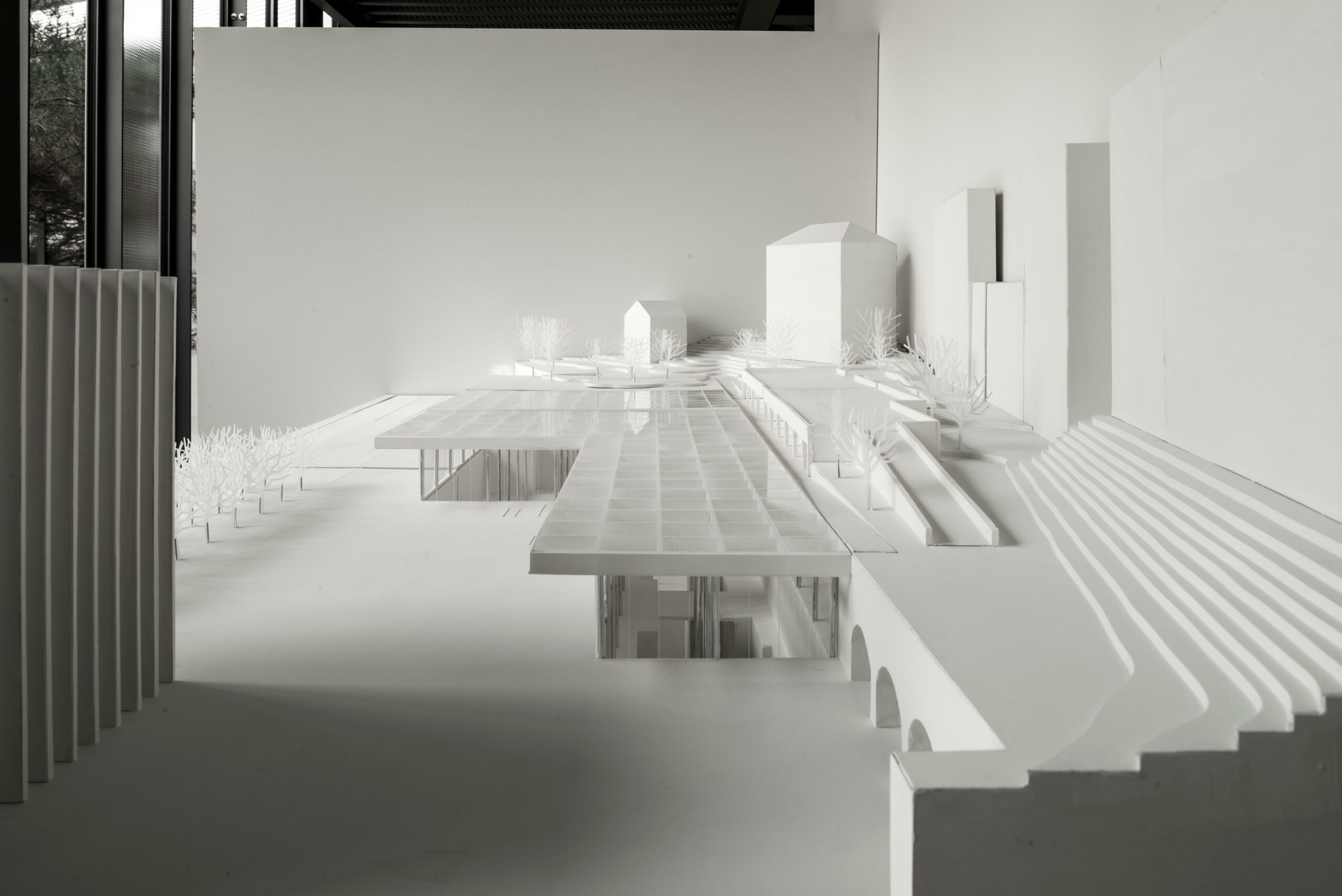
CULTURAL COMPLEX LAUSANNE
PR 505
Culture
Lausanne
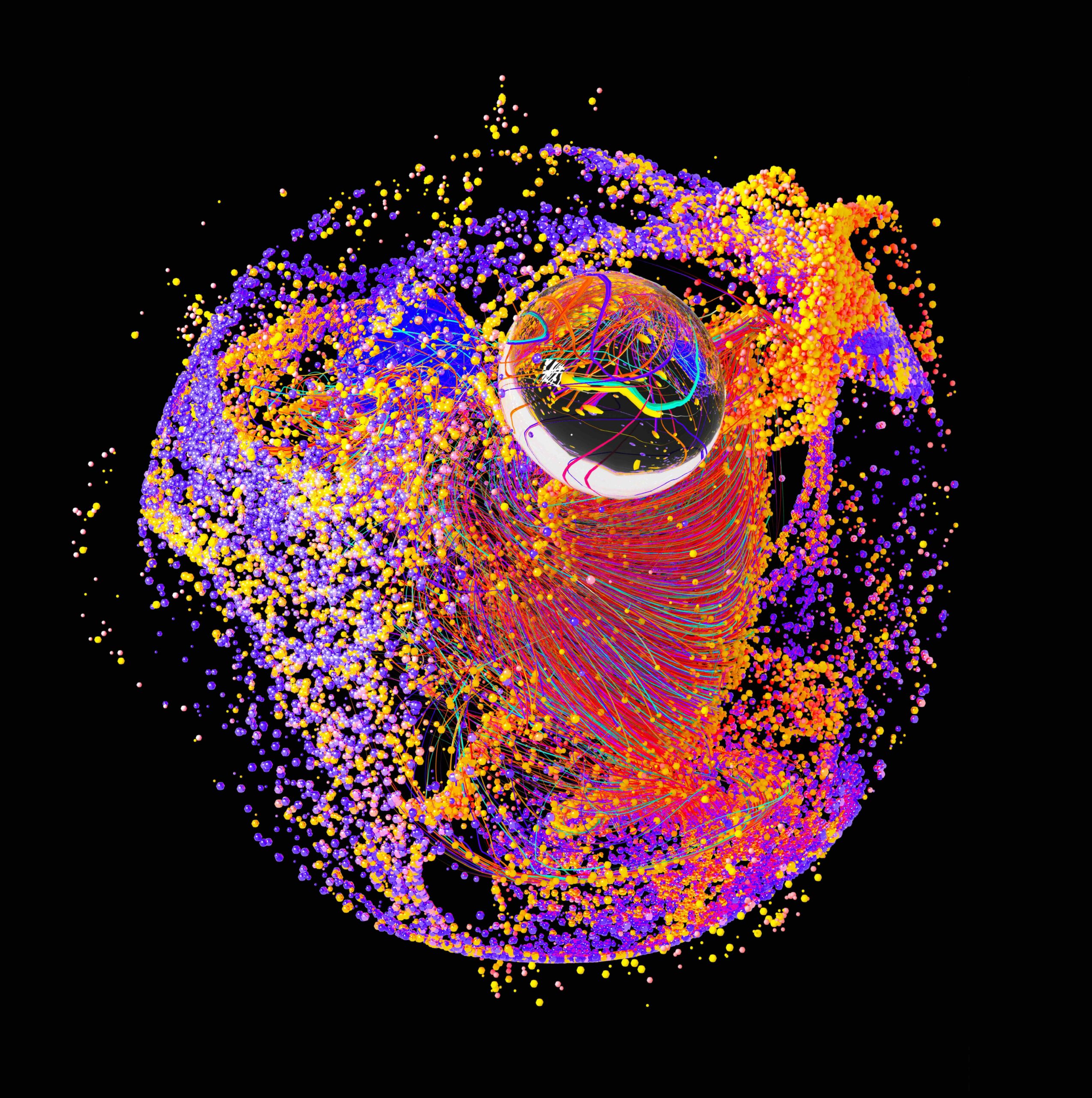
CROSSROADS BUILDING THE RESILIENT CITY, SEOUL BIENNALE OF ARCHITECTURE AND URBANISM (SBAU 2021)
RE-007
Recherche
Seoul
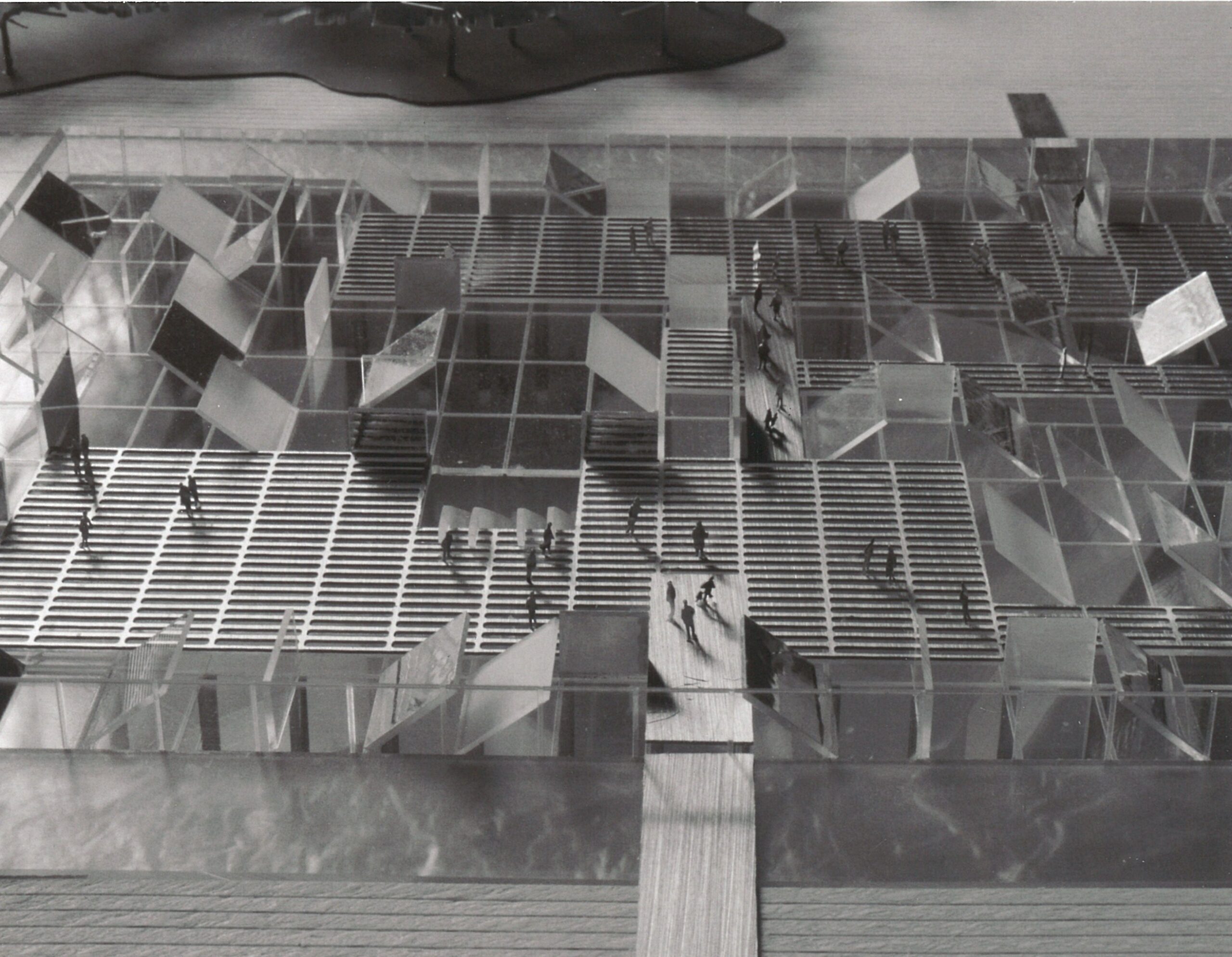
KANSAI-KAN LIBRARY
PR 099
Culture
Kyoto
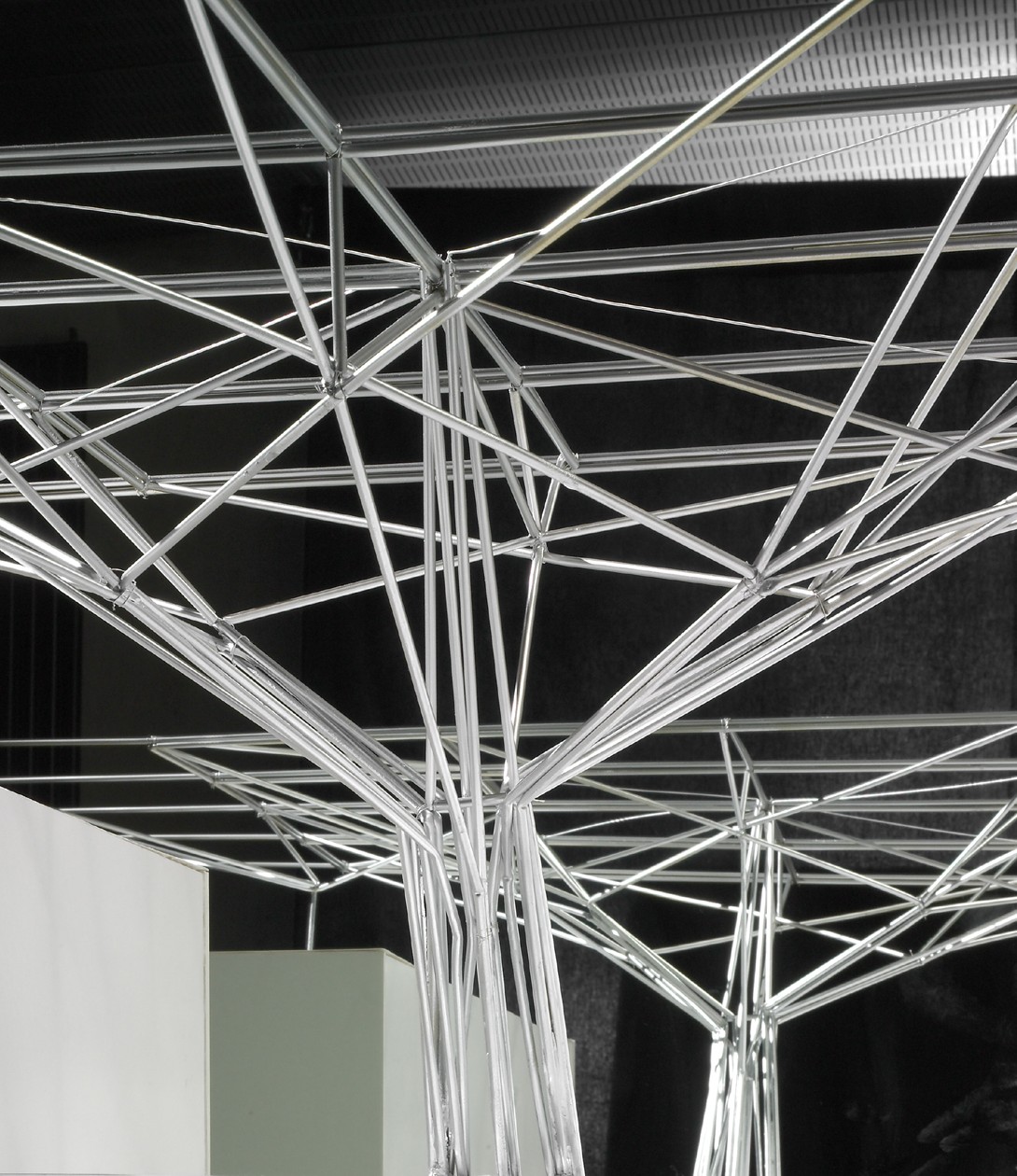
PIAZZA GARIBALDI
PR 573
Masterplan
Naples
LIGHTWALK – GANGNAM INTERNATIONAL TRANSIT CENTER
PR 669
Masterplan
Seoul
GROUNDSCAPES DESIGN LAB – RETHINKING CITIES UNDERGROUND
RE-002
Research

GARE VILLEJUIF – GUSTAVE ROUSSY
PR 655
Transport
Villejuif
NOTRE-DAME-DU-LAUS SANCTUARY
PR 443
Culture
Gap
PARIS 2024 OLYMPICS AND PARALYMPICS GAMES – ATHLETES VILLAGE MANUAL OF URBAN DESIGN
RE-006
Research
Saint-Denis
